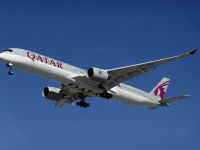
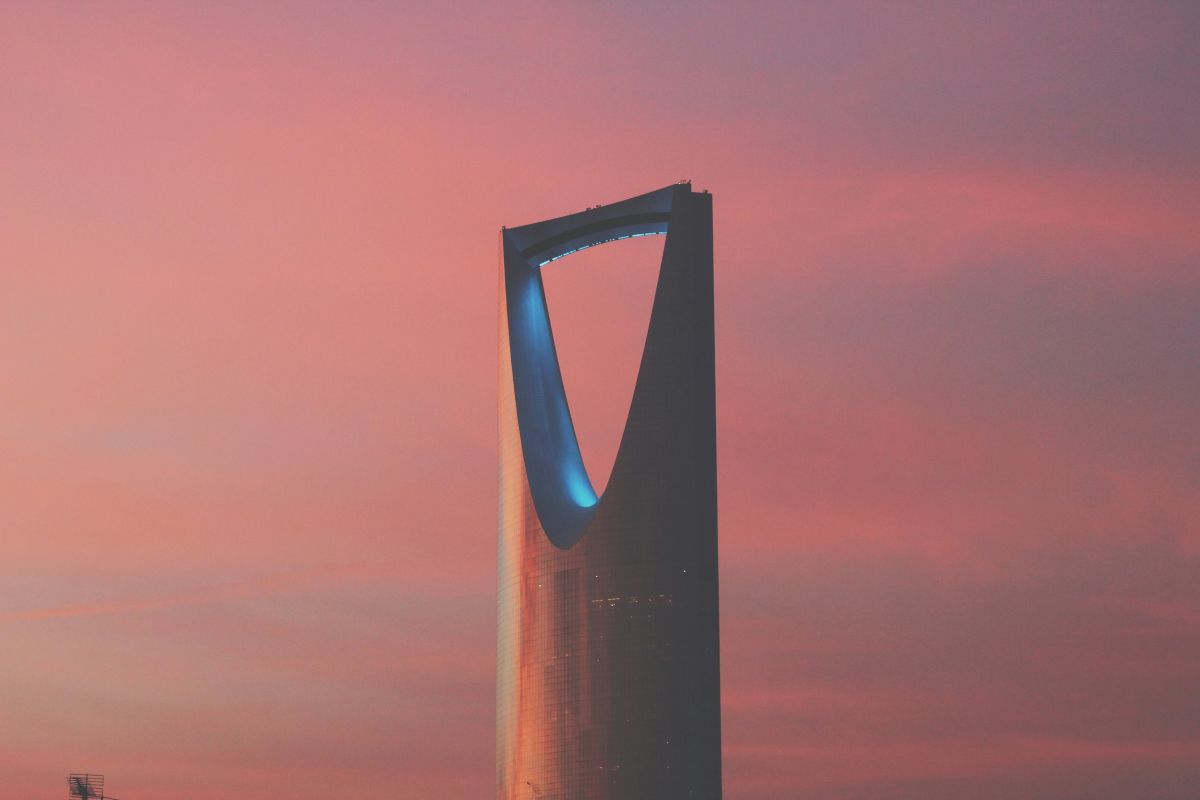
Reports are circling that Saudi Arabia could launch three new airlines, bringing the Kingdom’s total number of carriers to seven.
Saudia, flyadeal, Riyadh Air, and flynas are all currently based out of Saudi Arabia. But at the Cityscape Global real estate conference earlier in November, Fahd Hamidaddin, CEO of the Saudi Tourism Authority, is said to have announced that two or even three new airlines could join that line-up.
The imminent commercial launch of Riyadh Air, the world’s newest airline, has attracted interest from across the aviation sector thanks to its cutting-edge development plans. As the world’s first ‘digital-native’ airline, the carrier has signed deals with prominent tech companies, including FLYR, in a bid to make the travel process as seamless as possible. Snapshots of Riyadh Air’s luxury interiors have given further hints as to the airline’s ambition to challenge Emirates as a leader in customer service and innovation.
But with potentially three further airlines in the pipeline, does Saudi Arabia’s aviation sector have room for more?
A new low-cost carrier for Dammam
We already know details about one planned airline: a low-cost carrier (LCC) based out of King Fahd International Airport (DMM) in Dammam. Announced in July 2025, the Saudi General Authority of Civil Aviation (GACA) said the new airline will be led by Air Arabia in partnership with Kun Investment Holding and Nesma Holding. Situated on the Arabian Gulf north of Bahrain, Dammam is an important industrial city and a notable hub for the Kingdom’s state-owned petroleum and natural gas company, Aramco.
However, in line with the Vision 2030 national transformation project, there are plans to turn Dammam into an entertainment hotspot, with amusement parks and theatres. The planned King Salman Energy Park (SPARK) will further consolidate Dammam’s position as a leading industrial centre.
The new airline plans to serve 24 domestic and 57 international destinations by 2030, carrying 10 million passengers annually. It remains to be seen whether the new airline will be able to find a foothold in the Middle East’s increasingly crowded low-cost market.
Boosting religious tourism through aviation
Little is known about the two other airlines planned by Hamidaddin. One is likely to be oriented around religious tourism: 18.4 million pilgrims came to Saudi Arabia in 2024, with visits concentrated around the famous sites of Mecca and Medinah. Currently, these travellers are processed at Jeddah Airport and then transferred to the holy cities via a high-speed rail link. A new airline could bring pilgrims directly to Medinah, situated 400 kilometres northeast of Jeddah.
As for the third new airline, no plans or hints have been revealed. Either way, the launch of four (Riyadh Air included) new airlines over the course of the decade would be astonishing. Under Vision 2030, tourism is expected to reach 10% of Saudi Arabia’s GDP. This is a startling growth figure given that the government only launched a tourism visa in 2019. The Saudi government has spent billions launching sports events, such as the Riyadh Season, and Red Sea beach resorts, and also plans to host the football World Cup in 2032.
Riyadh Air’s launch will be closely watched to monitor demand for travel to Saudi Arabia. The airline’s aircraft orders run into the billions: supporting three more airlines, even if they operate on a smaller scale, will require further investment still. While state-owned Aramco remains the world’s most valuable company, perhaps cost is beyond question. But if the new airlines go ahead, does Saudi Arabia’s aviation sector risk becoming oversaturated?
Join us at Aviation Festival Asia 2026 to discuss the future of airlines in APAC and MENA.
For more like this, see: