Airline fees have come under public scrutiny, fuelling debate around what constitutes fair pricing practices. This has been highlighted by two recent events: the fines imposed by the Spanish government and the US Senate subcommittee report.
Last week, the Spanish government issued €179 million in fines across five European budget airlines for what it described as “abusive practices.” The ministry claimed airlines had “hinder[ed] consumers’ ability to compare offers” and had not been transparent with prices. The fines were distributed as follows:
- Ryanair – approximately €108 million
- Vueling – €39.3 million
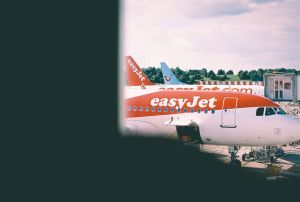
- easyJet – €29 million
- Norwegian – €1.6 million
- Volotea – €1.2 million
The ministry plans to ban airlines from charging extra for carry-on hand luggage and reserving seats for children.
IATA’s Director General, Willie Walsh slammed the ruling, arguing:
“This is an appalling decision. Far from protecting the consumer interest, this is a slap in the face of travellers who want choice. Prohibiting all airlines from charging for cabin bags means that the cost will be automatically priced into all tickets. What’s next? Forcing all hotel guests to pay for breakfast? Or charging everyone to pay for the coat-check when they buy a concert ticket? EU Law protects pricing freedom for good reason. And airlines offer a range of service models from all-inclusive to basic transport. This move by the Spanish government is unlawful and must be stopped.”
Over in the United States, a Senate subcommittee report criticised five US airlines for making over $12 billion in seat selection fees alone between 2018-2023. The report comes as part of a wider crackdown by the Biden Administration on airlines and consumer protections. It says:
“Seat fees have grown more expensive and farther-reaching […] These five airlines charge passengers extra for additional legroom, aisle and window seats, or even selecting a seat in advance, compelling parents with minor children to pay to sit together.”
Airlines for America pushed back against the report stating:
“It demonstrates a clear failure by the subcommittee to understand the value the highly competitive U.S. airline industry brings to customers and employees. Rather, the report serves as just another holiday travel talking point.”
These two cases highlight the growing spotlight on consumer protection and price transparency in the industry. As the debate goes on, airlines will need to reach a balance between generating revenue in a competitive market and ensuring the protection of passengers.
For more like this see:
- Delta experiments with AI pricing
- The Future of Dynamic Pricing for Airlines
- 7 Myths of AI-Powered Pricing Demystified