by Jess Brownlow | Oct 16, 2025 | Airlines, Interviews, Retailing
As the popularity of travel rises, the global travel insurance market is forecast to double from 2025 to 2030 to a total market value of US$63.87 billion. But with a growing customer base comes changing expectations.
At Aviation Festival Americas 2025, we sat down with Tom Trotta, VP Sales and Partnerships – North America, from Allianz Partners, to discuss how tech is driving change in the insurance world. From personalisation to more adaptable disruption response, insurers are doing more to get closer to the customer and provide peace of mind.
We can track flight changes, and once that flight is delayed by more than two hours we reach out to you proactively, getting money to your debit card immediately.
Trotta explains Allianz’s dedicated travel app, which can send customers real-time alerts on disruption at their destination, as well as provide them with useful local information, including a phrasebook and emergency services numbers.
He also discusses how airlines can use insurance to deepen their relationship with passengers and enhance their ancillary offering.
It comes back to personalisation and the level of service that they’re giving their loyalty customers.
🎥 Watch the full interview to get Tom Trotta’s full perspective on tech adoption in insurance, and the industry’s relationship with aviation.
Questions asked include:
- How are airlines leveraging digital solutions to provide passengers with peace of mind?
- How can digital tools or services help airlines manage disruption?
- How important is it for airlines to offer contingency solutions in case of disruption?
- In what ways are airlines using ancillary services to strengthen post-booking engagement?
Join us at Aviation Festival Americas 2026 to continue the discussion on tech and ancillary revenue.
For more like this, see:
by Jess Brownlow | Jul 22, 2025 | Airports, Interviews, On-demand
Vancouver International Airport (YVR) has earned the title of “Best Airport in North America” not just once, but 14 times in the past 16 years – a feat that sets it apart on the global stage. In this interview, Gerri Sinclair, Chief Prioritisation Planning and Performance Optimisation Officer at YVR, shares the philosophies and innovations behind the airport’s sustained success and what makes it truly world-class.
“There’s something in the water there,” Sinclair jokes, before diving into the unique sense of place that YVR cultivates – from the art and architecture to the smell of the terminal itself. “The sense of beauty and the sense of arrival and the sense of welcome moves all the way through the airport.”
One of YVR’s standout approaches is their Arrivals program, which every new employee goes through – executives included. It centers on inclusivity, guest service, and proactive hospitality. As Sinclair puts it:
“We know about the look. When a passenger has got that look on their face – bewildered – we all come in and say, ‘Can I help you?’”
The conversation also explores the strategic role of flow management – covering passengers, bags, planes, and vehicles – with both physical and digital optimization efforts in play.
🎥 Watch the full interview to hear how YVR is leading the aviation industry through digital transformation, guest-centered design, and a human-first approach to AI.
Questions asked include:
- What’s been the key to YVR’s sustained success as North America’s best airport?
- How do you ensure consistent efficiency and flow management across the airport?
- Where do you see the most immediate opportunities for AI in aviation?
- What is YVR’s Digital Twin and how is it driving value?
- How do you balance innovation with safety—especially around cybersecurity?
Join us at Aviation Festival Americas!
Subscribe to our free newsletter to access all the latest interviews and content.
For more like this see:
by Jess Brownlow | Jul 15, 2025 | Airlines, Digital Transformation
Air France-KLM has signed an agreement with the European Union Aviation Safety Agency (EASA) to launch preparations for partnering on the EU Flight Emissions Label (FEL).
The fully digitalised FEL process shares flight-related emissions with passengers, encouraging them to make informed choices when comparing flights. It also hopes to drive airline accountability by “establishing a harmonised emissions calculation methodology, data reporting, and emissions display for all airlines in the European Union.”
The airline group has entered into a Memorandum of Cooperation (MoC) with EASA, establishing a structured framework for both Air France and KLM to evaluate and trial the end-to-end digital FEL portal. Through this collaboration, the airlines will gain access to reliable emissions data from EASA ahead of their formal participation in the FEL, in line with Regulation (EU) 2024/3170.
Air France and KLM are the first airlines to formally engage with EASA on FEL implementation, emphasising their joint commitment to decarbonising the industry. Speaking on the decision, Benjamin Smith, CEO of Air France-KLM said:
“Air France-KLM is committed to ensuring a true global level playing field. We are proactively collaborating with the European Commission and EASA, bringing our expertise to the forefront of initiatives like the EU Flight Emissions Label. Our early and active participation is designed to help shape a fair, transparent, and effective framework for all airlines. This initiative is a critical component of our broader strategy to lead the decarbonisation of our industry. We will continue to leverage every available tool to reduce our environmental footprint, and we believe that common, transparent standards are essential to support our collective journey towards sustainable aviation.”
When sharing the news, Apostolos Tzitzikostas, Commissioner for Sustainable Transport and Tourism encouraged other airlines to join the initiative while applauding Air France and KLM.
For more like this see:
by Jess Brownlow | Jul 15, 2025 | Airlines, Digital Transformation, Interviews, On-demand, Travel Tech
United Airlines boasts both an award-winning app and loyalty programme. As one of the largest airlines in the world, the US carrier is setting standards for customer-centric travel and modern loyalty working to stay ahead of rapidly evolving expectations.
The airline’s app is the most downloaded app of any US carrier and acts as a “digital doorway” to United. Talking through the airline’s award winning app at Aviation Festival Americas, Luc Bondar, COO and President, MileagePlus at United Airlines, explained multiple UX focused features including that:
“The app itself is contextual. It changes in the moment for your needs and it serves up the information that we think you need right now. So, for example, I’m flying out of Miami later today and my app is already pinging me to say, ‘hey, we noticed you haven’t checked in yet.’ And it will surface if I go to the app, it’ll bring check-in right up to the top to say, ‘here it is.’ It makes it really easy, just open the app, one click, and I’m where I need to be.
In contrast, I’ve flown on other airlines and when you’re trying to check in, I’m going through five clicks to try to find where I need to go. So, changing the app experience for each individual user as they’re interacting in the moment has been really powerful for us.”
Bondar also shared some of the loyalty features that reinforce value for every traveller. This includes miles pooling which will be a game changer for families, allowing members to combine points across accounts for easier redemptions. The programme has also eliminated miles expiry in a bid to establish a life-long relationship with each passenger.
Watch the full interview now to learn more about how the airline is driving personalisation at scale, building organisational resilience, and putting customers first in a period of volatility.
Questions asked include:
- What is the most critical challenge the industry is navigating at the moment?
- How are you building organisational resilience in the face of disruption, economic shifts, and the evolving landscape?
- What are you doing to modernise United’s loyalty programme to keep pace with passenger expectations?
- Follow up (1): What about the passenger experience more broadly (app features etc)
- Follow up (2): How is tech supporting this?
- What are United’s strategic priorities for the remainder of the year?
Join us at Aviation Festival Americas!
Subscribe to our free newsletter to access all the latest interviews and content.
For more like this see:
by Jess Brownlow | Jul 11, 2025 | Airlines, News
This week, Virgin Atlantic CEO Shai Weiss revealed the airline’s biggest customer experience investment in years. At a media event in London, Weiss made announcements on Starlink Wi-Fi roll out, an AI concierge in partnership with OpenAI partnership, electric air taxis with Joby Aviation, a refit, clubhouse investment, and more.
In a UK first, the airline will be introducing Starlink in-flight connectivity for secure, streaming quality Wi-Fi. By the end of 2027, this should be installed across the airline’s Boeing 787s, Airbus A350s, and A330neos. Virgin Atlantic will be offering this for free for Flying Club members in a push to develop a ‘home away from home’ experience in the aircraft. Siobhan Fitzpatrick, Chief Experience Officer, Virgin Atlantic, commented;
“We never stop innovating for our guests and today, in a first for any UK airline, we’ll soon have free, streaming quality, unlimited, fleet-wide Wi-Fi. Together with Starlink, we are delighted to provide our guests with the best connectivity in the skies, further elevating our onboard experience. The new service allows our guests to create a home away from home experience, allowing customers to connect seamlessly, from the moment they board the aircraft, enjoying the same quality in the air as they do on the ground.”
Virgin Atlantic will also be the first European airline to integrate advanced voice mode through the Realtime API in partnership with OpenAI and Tomoro.ai. This will be pat of the newly designed mobile app offering hands-free assistance in any language. The app will also feature a range of new notifications that leverage new iOS and Android features to give passengers the best user experience.
The airline’s exclusive partnership with Joby, announced back in March, will also see fast, short-haul electric flights between airport hubs and cities across the UK. If regulatory and safety approvals are gained, the service is anticipated to launch before 2030.
Speaking on the announcements, Weiss, CEO, Virgin Atlantic, summarised:
“We are investing billions to fly the youngest fleet across the Atlantic; the first UK airline to have free, streaming quality, fleet-wide Wi-Fi; more premium cabins and a full retrofit of the 787 fleet; alongside a new app featuring the world of Virgin Atlantic in your pocket, all delivered by our amazing teams. The best is yet to come.”
For more like this see:
by Jess Brownlow | Jul 9, 2025 | Airlines, Digital Transformation, Interviews, On-demand, Travel Tech
According to McKinsey’s research, 80 per cent of organisations are not seeing a tangible impact on enterprise-level EBIT from their use of gen AI. However, when applied strategically and in combination with cloud and data innovation, AI is already having a tangible impact on airlines.
In this 10-minute interview with Mustafa Egilmezbilek, CIO, SunExpress Airlines discussed the substantial impact of AI at the airline including an estimated $1 million saving annually through AI fuel planning and productivity boosts of 10 to 15 per cent as a result of Agentic tools.
Highlighting the combined power of cloud, gen AI, and data Egilmezbilek said:
“When they work together all these technologies they create something truly powerful. This combination can transform how airlines operate, improve the passenger experience and open new ways to make money. With these technologies at hand, airlines can start to know their passengers better and this unlocks the opportunities for developing advanced customer service solutions and for creating hype personalised journeys.”
Egilmezbilek will be speaking at World Aviation Festival (7-9th October) in Lisbon on a panel disucssing how to unlock real business value from these three technologies. He will be joined onstage by the Fernando Rocha, CIO, Aeroméxico, Ahmed Naeemi, Group Chief Technology Officer, Gulf Air Group, and Christian Baillet, CRO, Paximize. To join us at World Aviation Festival
book your ticket now!
Questions asked include:
- In terms of broad outcomes, where can airlines unlock real business value from Cloud, Gen-AI, and Data?
- What are some of the creative ways SunExpress is applying AI and what (if any) tangible outcomes you are seeing already?
- Last year at WAF you spoke on the democratisation of gen AI and its implications on security. What has changed since October and where do you see this going in the near future?
- What are you most looking forward to at WAF this year?
Subscribe to our free newsletter to access all the latest interviews and content.
For more like this see:
by Jess Brownlow | Jul 8, 2025 | Airlines
World-renowned carrier, Emirates has shared an analysis of its global booking data to reveal several travel trends and the top five destinations for July and August. The findings come from the searches and website bookings on emirates.com and indicate a new shift in both trip planning and travel choices.
Here are the top five trending destinations on Emirates’ global network this summer.
5. France – Continues to draw in travellers witnessing a 25 per cent boost in flight searches from last year.
4. Japan – Having been a bucket-list staple for years, searches for Japan are up 28 per cent this year with people continuing to flock to the country’s “magnetic pull.”
3. Sri Lanka – “Affordable luxury” experiences are drawing passengers to the island which boasts a 32 per cent increase in searches.
2. Mauritius – Flight searches for this island nation are up 41 per cent making it the second most in demand destination of the summer.
1. Vietnam – The “it” destination according to Emirates, showing a 61 per cent increase in interest as well as an uplift in booking demand.
Additional findings include:
UAE travel trends: Growing interest in Sri Lanka, Jordan, France, India, Lebanon, and Morocco.
US travellers: Growing focus on Africa, specifically Egypt, Kenya and South Africa.
UK travellers: Heightened search volumes for New Zealand, Australia, Japan, Sri Lanka and Mauritius.
Indian travellers: Focus on Australia, New Zealand and Ireland.
Almost half of the Emirates visitors from the US, India, and Australia are looking to travel solo to Dubai.
With a vast network and an ear to the ground, these insights from Emirates offer a snapshot into have global travel preferences are evolving as summer travel reaches starts to peak.
For more like this see:
by Jess Brownlow | Jul 8, 2025 | Airports, Digital Transformation, Interviews, On-demand, Travel Tech
When it comes to tech innovation, airports are faced with an overwhelming array of options. But what are some of the trends that are actually worth investing in? At Aviation Festival Americas in May, Maurice Jenkins, Chief Innovation Officer IAP C.M., at Miami International Airport (MIA) shared his top tech investment for 2025:
“My top [tech investment] that we’re about to roll out pretty soon is going to be an omni-channel chatbot and we’re going to tie that with our hologram solution. So you can actually speak to the hologram and get airport information that’s tied to our chatbot. The great thing about it is you don’t need an app for it. You can leverage WhatsApp, Messenger, any of those other tools without having to download another app and add something else to your mobile device.”
He also shared how the airport plans to leverage robotics and automation without replacing humans. Giving the example of cleaning robots, autonomous lawnmowers, and aircraft turnaround optimisation, Jenkins talked about re-portioning human capital resources to work on detail instead of substituting one for the other.
Throughout the interview, Jenkins also underscored that innovation relates to more than just technology. Taking a holistic approach to the airport experience, MIA is looking at improving processes, enhancing customer and user experience, and establishing a culture of innovation.
For more on autonomous vehicles, partnerships, and parallel reality watch the full interview below.
Questions asked include:
- When it comes to tech innovation, airports are faced with an overwhelming array of options. What are some of the trends you think are worth investing in and which could be described as a “fad”
- How is MIA leveraging robotics to create an airport experience of the future?
- What is your top tech investment for 2025 and why?
Join us at Aviation Festival Americas!
Subscribe to our free newsletter to access all the latest interviews and content.
For more like this see:
by Jess Brownlow | Jul 7, 2025 | Airlines
At the end of last week, Air France-KLM announced it will be increasing its stake in SAS from 19.9 per cent to 60.5 per cent.
In August, SAS – Scandinavian Airlines exited US Chapter 11 bankruptcy proceedings having restructured debt of over $2 billion. Following SAS’ successful turnaround, Air France-KLM is looking to acquire a majority stake in the airline.
Speaking on the news, Anko van der Werff, President & CEO of SAS said:
“Air France-KLM becoming the majority owner would mark a defining moment for SAS and a strong signal of confidence in the direction we’re heading. It brings not just stability but will also allow for deeper industrial integration and the full backing of one of the world’s leading airline groups, once regulatory approval has been obtained. Together, we will be better positioned to deliver greater value to our customers, our colleagues, and the wider region.”
In their own announcement, the Air France-KLM group described the move as an opportunity to unlock synergies with considerable integration across all areas of business. Benjamin Smith, CEO of Air France-KLM said:
“We are excited by the prospect of fully welcoming SAS into the Air France-KLM family. Following their successful restructuring, SAS has delivered impressive performance, and we are confident that the airline’s potential will continue to grow through deeper integration within the Air France-KLM Group. This operation would benefit our customers and all Scandinavians who would enjoy enhanced connectivity, as well as the SAS teams whose dedication has been key to restore their airline to its rightful place. They would join a group of airlines united by a shared commitment to excellence and a more sustainable future for air transport. We look forward to this new chapter in our shared journey.”
The deal remains subject to regulatory approval but Air France-KLM expects this to close in the second half of 2026. At last year’s World Aviation Festival, Van der Werff talked through the airline’s impressive recovery story, watch the full interview here.
For more like this see:
by Jess Brownlow | Jul 7, 2025 | Airports, Digital Transformation, News, Travel Tech
The global airport automation market is predicted to grow from $55.05b in 2025 to $85.12b by 2033. This wide deployment of automation is streamlining operations and driving efficiency, but is it increasing passenger satisfaction?
Research by Priority Pass surveyed 12,000+ global travellers to understand how digital innovation is influencing the airport experience. The study gathered opinions from 21 countries and territories to understand passenger perceptions and experiences.
Key findings include:
-
59 per cent of travellers believe airports are adopting AI and technology at the right pace to meet their needs (46 per cent in Europe vs 68 per cent in the Middle East).
-
85 per cent of those who feel the pace is right are comfortable sharing biometric data, compared to just 69 per cent among those who feel progress is too slow, highlighting a clear link between perceived technological readiness and traveller trust.
-
On average, 30 per cent of travellers would prefer a mostly automated airport experience.
-
Nearly three-quarters of travellers (73 per cent) say fast-track security and digital boarding passes have made the biggest improvements to their airport experience, followed by automated baggage drops and advanced security scanners (both 68 per cent).
- 60 per cent say that automation leads them to spend more at the airport (Gen Z: 71 per cent and Millennials: 67 per cent).
The study suggests that digital innovation is enhancing the passenger in meaningful ways with time savings and enhanced convenience. However, it also highlights that trust and transparency will be critical to support uptake.
The global nature of the study also underscores disparity in attitudes and expectations across regions. As the industry develops it’s tech capabilities it will be important to adapt to regional needs and traveller expectations to ensure a seamless journey for passengers. Access the full report here.
For more like this see:
by Jess Brownlow | Jul 3, 2025 | Airlines, Interviews, On-demand
How can reimaging the traveller journey turn airline loyalty into a meaningful experience?
Mike Petrella, MD, Strategic Partnerships at United Airlines brings a fresh perspective to aviation loyalty. Drawing on his background in AdTech to rethink the traveller journey, Petrella is focusing on personalisation and a genuine connection with the customer. He will be speaking at World Aviation Festival in a session titled ‘Traveller-First Loyalty – Creating meaningful end-to-end journeys.’ This five-min pre-interview is a glimpse into the discussion that will take place onsite and gives a valuable look into how United is rethinking loyalty.
The conversation touched on how airlines can extend loyalty beyond travel and drive personalisation through data and insights. Petrella also highlighted the importance of balancing choice with relevance to present the right content at the right moment. Speaking on the importance of understanding when to engage and when to hold back he explained:
“We didn’t want to make the airplane look like Times Square. So the idea is more to have it as a native experience. How do I integrate it into the experience such that, when the opportunity comes up, it looks like something that’s part of the confirmation path, the booking path? If you’re in the ancillary or spend mindset, then having offers that are relevant to you versus a random ad. It’s also the emotion of knowing that I’m in an environment that is conducive to my behaviours, and in some cases, as we learn more, some people may not want to see content at certain times. And we’ll test and learn and choose not to show content, where others may be in the mindset of: okay, I’m ready to think, I’m ready to plan, I’m ready to be inspired. How do you put something in front of me?”
Questions asked include:
- You’re focusing on reimagining the traveller journey – how are you approaching this differently to how airlines have before ?
- What are some practical steps to integrating loyalty programmes into people’s daily lives?
- Where do you strike the balance between giving passengers the choices they want and overwhelming them with options?
- What are you most looking forward to World Aviation Festival in Lisbon?
To join us at World Aviation Festival book your ticket now!
For more like this see:
by Jess Brownlow | Jul 3, 2025 | Airlines, Digital Transformation
Yesterday, Qantas confirmed that a cyber incident occurred on a platform used by its contact centre to store the data of six million people. The data includes some customers’ names, email addresses, phone numbers, birth dates and frequent flyer numbers but credit card details, personal financial information and passport details are not held in this particular system.
The airline is yet to announce the volume of data that has been compromised but anticipates “it will be significant.” Qantas has assured that it is putting additional security measures in place to restrict access and improve monitoring and detection.
Qantas Group Chief Executive Officer Vanessa Hudson said:
“We sincerely apologise to our customers and we recognise the uncertainty this will cause. Our customers trust us with their personal information and we take that responsibility seriously. We are contacting our customers today and our focus is on providing them with the necessary support. We are working closely with the Federal Government’s National Cyber Security Coordinator, the Australian Cyber Security Centre and independent specialised cyber security experts.”
This incident has no direct impact on Qantas’ operations but it highlights the importance of robust cybersecurity infrastructure in the industry. The industry-wide growing concern around cybersecurity was evident in SITA’s 2024 Air Transport IT Insights which found 66 per cent of airlines and 73 per cent of airports defined cybersecurity as one of their top three areas of focus.
With the threat landscape in cyberspace constantly evolving and attackers becoming increasingly sophisticated it is paramount the industry adopts a collaborative approach to tackling the challenge. This year’s Cybersecurity Summit (7th October) at World Aviation Festival will be exploring how the aviation industry can evolve its cybersecurity measures to keep up with new threats. Sessions will cover how to build a resilient cybersecurity chain as well as collaboration, testing, and shared threat intelligence. Speakers from easyJet, EUROCONTROL, RwandAir, Turkish Airlines, and more will be unpacking these themes to share practical insights and strategic approaches to strengthening cyber resilience across the industry. On the 9th, there will also be exciting main stage sessions with a CISO panel debating how the industry can embrace AI without compromising safety.
To join us at World Aviation Festival, book your ticket now!
For more like this see:
by Jess Brownlow | Jul 2, 2025 | Airlines, Digital Transformation, Interviews, News, On-demand, Travel Tech
zeroG is the expert centre for data driven, AI and Machine Learning solutions in aviation. Powered by the Lufthansa Group, the company has been driving change by bringing a human-centric approach to complex data.
At Aviation Festival Asia, Manuel van Esch, Managing Director of zeroG shared how the industry can leverage data and AI to serve key stakeholders and looked at the real-world impact of AI.
Speaking about the natural evolution of this technology, van Esch explained:
“Everyone is talking about moving from observability AI towards generative AI and eventually agentic AI – and I think that’s really going to be the future. A lot of decisions that are now being made by humans will still have humans in the loop, but the AI system will be orchestrating complex decision-making in airline operations.”
During the conversation, van Esch selected three trends that are set to transform the industry over the next five years: hyper-personalisation, holistic problem solving, and agentic AI in airline operations. To find out more about the potential of each watch the full interview below.
Questions asked include:
- zeroG is the expert center for data driven, AI and Machine Learning solutions in aviation. Can you explain a bit about what you do and what sets you apart from others?
- AI has the potential to change almost every aspect of the industry – what would you say are the top three areas it will be most transformative in the next 5 year?
- While AI is frequently spoken about, we don’t always see clear proof of its impact. Can you share some statistics that show the real benefits its already bringing to the industry?
Book your ticket now to join us at AFA 2026!
Subscribe to our free newsletter to access all the latest interviews and content.
For more onsite at Aviation Festival Asia 2025 see:
by Jess Brownlow | Jun 24, 2025 | Airlines, Digital Transformation, Travel Tech
Recently, Qatar Airways launched its next-gen in-flight entertainment system which adopts a modular, digital-first approach to in-flight engagement.
The new system is powered by Panasonic Avionics’ new Converix platform on the airline’s Boeing 777-9 fleet and was announced at the International Paris Air Show. Using advanced AI-technology, the new system will encourage passengers to take control of their onboard experience empowering them through a single connected platform.
Supporting the airline’s mission for hyper-personalised service, the in-flight entertainment system also offers passengers dynamic content tailored to their preferences, seat-level smart controls, and a fully connected digital environment.
Qatar Airways Senior Vice President Product Development, Ms. Xia Cai, said:
“As the newly crowned World’s Best Business Class, we remain focused on continuously redefying the passenger experience. This platform not only reflects the progress we have made, but the future we are building. Our new platform is more than just a technological upgrade – it is a game changer that will completely redefine entertainment in the sky. With every new milestone, we continue to shape the future of travel and move forward at 35,000 feet and beyond.”
The airline is also looking to standardise content management and AI capabilities across their various aircraft types.
For more like this see:
by Jess Brownlow | Jun 23, 2025 | Airlines, Interviews, On-demand, Retailing
The expectations of a digital consumer are set by the seamless, personalised experiences offered by companies like Amazon, Uber, and digital banks. Airlines are lagging behind and must rethink how they engage with customers. However, there are several obstacles to overcome first.
At Aviation Festival Asia, Gautam Shekar , SVP, IBS Software discussed the airline retail experience looking at learning points from other industries, the retail evolution, and the core challenges that need to be overcome.
Speaking on the industries setting the benchmark, Shekar explained:
“If you take the if you take the retail banking industry it is a business model that’s now delivered completely virtually. All their products, their services, their their servicing is all done virtually and it’s done through an omni channel mechanism. They’re able to do it with a high level of customer satisfaction and they’re able to solve complicated problems without any friction. It’s a great example to try and emulate.”
Shekar explained that although airlines can make a good offer, there is often friction when servicing the order. This is because although the industry is progressing on the offer side of retail is advancing with bundling, upselling, and an improved user experience, the order part continues to lag behind as a result of outdated systems.
When discussing the underlying problems holding back progress Shekar pointed to legacy systems and technology and organisational mindset. Once the digital foundations are set, the retailing possibilities are limitless:
“If you take any large transformation in any industry over the last few decades you will have naysayers you will have laggards you will have early adopters and you’ll have innovators it’s really who you choose to be.”
Watch the full interview below for more.
Questions asked include:
- What lessons can airlines learn from digital retailers when it comes to a customer-centric, frictionless experience?
- How have we seen the retail landscape evolve in recent years, and what are your predictions for the next 5 years or so?
- There are a range of obstacles slowing the industry’s retail progress. What would you say is the number one common problem you see, and what would your advice be?
Book your ticket now to join us at AFA 2026!
Subscribe to our free newsletter to access all the latest interviews and content.
For more onsite at Aviation Festival Asia 2025 see:
by Jess Brownlow | Jun 20, 2025 | Airlines, Digital Transformation
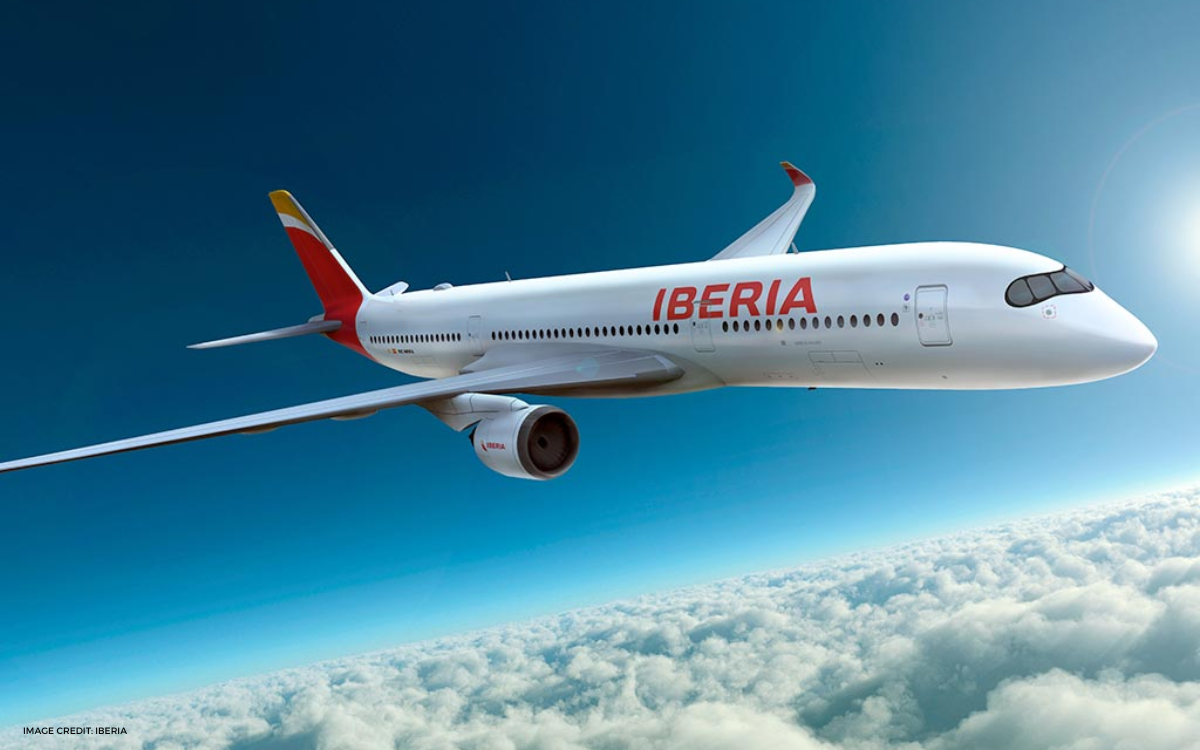
Iberia has set out a strategic plan to invest €6 billion by 2030. The airline’s roadmap, ‘Flight Plan 2030′ includes fleet expansion and renewal, an enhanced passenger experience, and more.
The Spanish flag carrier is committing to elevate the entire customer experience, investing heavily in artificial intelligence (AI), digitalisation, and personalisation. It is also driving further innovation through its innovation hub, ‘Ciudad Iberia,’ with plans to develop this into a cutting-edge aeronautical hub leading innovation in Europe.
This week, the airline announced its ambitious roadmap which included increasing its long-haul fleet from 45 to 70 aircraft, incorporating next-generation Airbus A350s, A321XLRs, and potentially A330NEOs. This will be done alongside a renewal of the short- and medium-haul fleet with more efficient A320 and A321 NEOs, reinforcing a commitment to sustainability.
As part of the expansion, the airline anticipates a huge increase in staffing with an estimated 1,000 new employees to be hired each year. Other aspects of the plan include adding new destinations like Toronto, Philadelphia, and Monterrey while the airline explores new possibilities across the Atlantic, and developing a new Premium Longue at Terminal 4 of Madrid-Barajas Airport.
The initiative will be financed through targeted annual profitability of 13.5 to 15 per cent. Commenting on the roadmap, Iberia President and CEO Marco Sansavini said:
“Thanks to Iberia’s profound transformation over the last decade and the efforts of all our people, we are now delivering results that allow us to look to the future with confidence and invest €6 billion in our Flight Plan 2030. We want to grow from the current 45 long-haul aircraft to 70 to position Barajas as a major European huband enhance Spain’s global connectivity.”
For more like this see:
by Jess Brownlow | Jun 19, 2025 | Airlines
Today, Emirates and Uber announced a strategic partnership with plans to develop an integrated booking experience, expanded loyalty benefits, and a door-to-destination experience for select customers.
The Memorandum of Understanding (MoU) reflects a joint commitment to elevating travellers’ journeys and was signed by Adnan Kazim, Emirates’ Deputy President and Chief Commercial Officer and Anabel Diaz Calderon, Vice President and Head of EMEA Mobility at Uber.
As part of the MoU, the pair will explore a few initiatives including:
-
Developing an integrated booking experience – Allowing travellers to combine Uber ride vouchers with Emirates flight bookings for more convenient airport transfers and in-city transportation.
-
Offering Uber rides to and from the airport – Providing select Emirates customers, creating a seamless, door-to-destination journey.
-
Collaborating on loyalty integration – Enabling Skywards members in the UAE to earn Miles on Uber rides or redeem them for Uber app credits or vouchers.
-
Exploring additional opportunities for Skywards members – Earning Miles on Uber rides across select markets within the Emirates network.
Speaking on the partnership, Adnan Kazim said:
“Emirates is excited to join forces with Uber as part of our commitment to delivering seamless travel experiences. In the months ahead, we’ll closely work together to leverage our combined capabilities in travel and technology to expand planning options, create more connected end-to-end journeys across our network, and introduce exciting new benefits for our Skywards members. We look forward to a successful partnership and the valuable opportunities it will create for our customers.”
Anabel Diaz Calderon, Vice President, Head of EMEA Mobility at Uber added:
“We’re thrilled to partner with Emirates, a global leader in aviation, to shape the future of travel. With tailored Uber airport rides offering seamless door-to-destination journeys and loyalty benefits for Uber and Emirates customers, this collaboration will redefine the travel experience for millions of passengers.”
With these two transport giants collaborating to reshape the travel experience, travellers can expect more integrated journeys with customer-centric innovation at their heart.
For more like this see:
by Jess Brownlow | Jun 18, 2025 | Airlines, Interviews, On-demand
This year, Garuda Indonesia, the flag carrier of Indonesia has been expanding its loyalty rewards offering exploring new ways to engage different generations of travellers. At Aviation Festival Asia, Ima Rahmaniar, Miles & Ancillary Group Head at Garuda Indonesia shared insight into the carrier’s evolving loyalty strategy and reflected on shifting customer values, preferences, and behaviours within the APAC region.
Looking at embedding loyalty into the daily lives of passengers, Rahmaniar discussed the co-branded card that was launched with a leading Indonesian digital bank. She described this as a move aimed to target younger passengers who demand seamless integration between everyday engagement and loyalty platforms.
The conversation also touched on new partnerships. In a major move announced onsite at the event, Garuda signed a loyalty partnership with Emirates, allowing members to earn and redeem Miles while travelling across a combined network of more than 200 destinations.
Speaking on trends in the ancillary market, Rahmaniar described her predictions for the most popular ancillary options this year:
“The topic of uncertainty […] Not being sure if the passengers will fly today, if something will happen with the baggage etc so I think insurance-related ancillary business is something members and passengers will still be looking for.”
Questions asked include:
- The loyalty landscape is changing. In terms of what users’ value and how they engage, what sets travellers in APAC apart from other regions?
- How has Garuda Indonesia cultivated loyalty currency into deeper member relationships?
- What are the most popular ancillary options you are predicting for 2025? How can airlines maximise revenue here.
Book your ticket now to join us at AFA 2026!
Subscribe to our free newsletter to access all the latest interviews and content.
For more onsite at Aviation Festival Asia 2025 see:
by Jess Brownlow | Jun 13, 2025 | Airlines, Airports, News, Travel Tech
Yesterday, SITA released its 2025 Baggage IT Insights report. The overarching message is: “handling more, mishandling less.” In figures this means that although global air traffic was up 8.2 per cent, the mishandling rate fell from 6.9 per 1,000 passengers to 6.3.
However, with mishandled baggage still costing airlines an average of $5 billion every year, it is imperative the industry brings this number down further still.
Here is an overview of the report:
An overview of disruption – Disruption breaks down into: delayed bags (74 per cent), lost or stolen bags (8 per cent), damaged or pilfered bags (18 per cent).
Causes of delays – Transfer mishandling (41 per cent), failure to load bags (17 per cent), e ticketing errors, bag switches, and security issues combined (16 per cent), operational factors including airport processes, weather, and space or weight constraints (10 per cent), loading errors (8 per cent), arrival mishandling (4 per cent), and tagging errors (4 per cent).
International vs domestic travel – International flights experiences nearly six times higher mishandling rates than domestic flights.
What is driving this improvement? – Operational transformation. Automation, predictive recovery, and connected baggage management reducing mishandling rates across the board.
Changing expectations – Travellers are demanding transparency and expect similar levels of precision that they get with an online delivery. SITA anticipates real-time baggage visibility as the norm by 2027.
What do passengers want? – 47 per cent of travellers think mobile tracking would make them more confident checking in a bag and 38 per cent say a digital ID tag would boost trust.
Regional breakdown – APAC continues to lead with 3.1 mishandled bags per 1,000 passengers. This is followed by North America at 5.5 and Europe at 12.3.
While the decline in mishandling rates is a positive sign, the financial and reputational cost of disruption to airlines remains significant. With continued investment in data-driven systems and passenger-focused solutions, the outlook is optimistic. The further challenge will then be in meeting customers evolving expectations.
For more like this see:
by Jess Brownlow | Jun 12, 2025 | Airlines
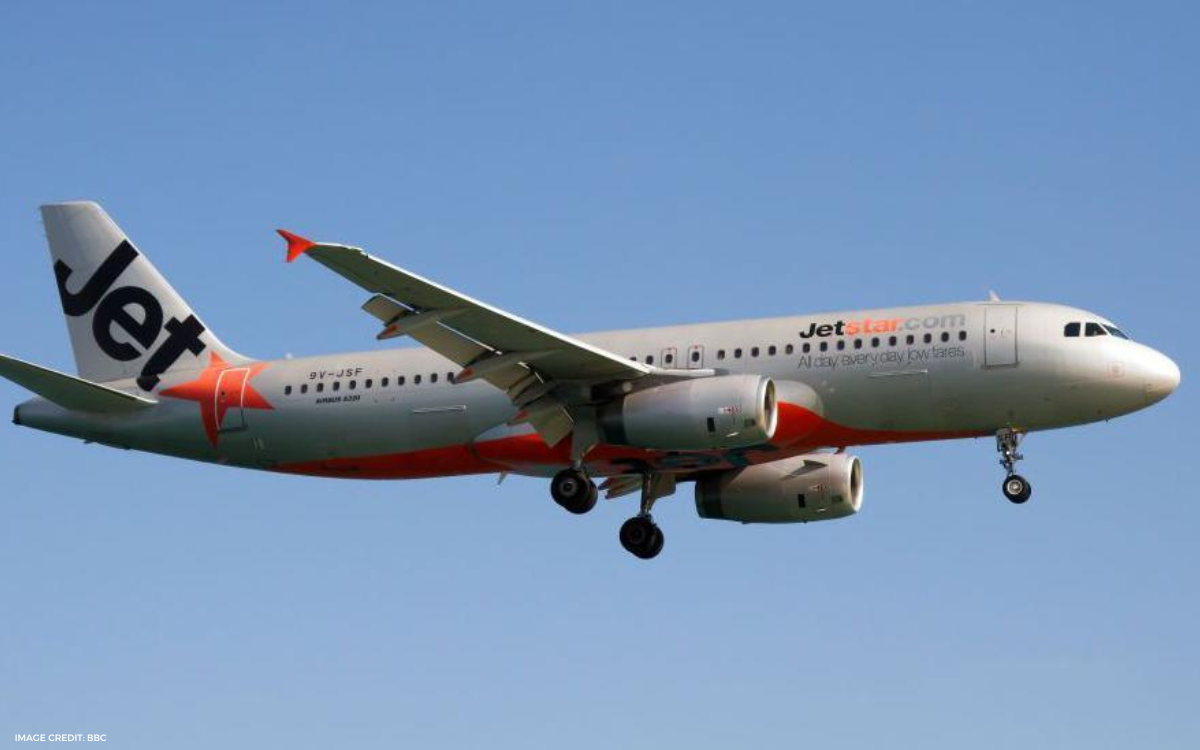
The Qantas Group has officially announced its low-cost subsidiary, Jetstar Asia, will close at the end of July.
Qantas Group shared that the airline is expected to post a $35 million underlying EBIT loss this financial year but will help the group to unlock up to $500 million in capital. The decision came down to rising supplier costs, high airport fees, and intensified competition in the region.
As they prepare for closure, the airline will wind down over the next seven weeks operating a reduced schedule.
Speaking on the news, Qantas Group CEO Vanessa Hudson said:
“Jetstar Asia has been a pioneering force in the Asian aviation market for more than 20 years, making air travel accessible to millions of customers across Southeast Asia. We are incredibly proud of the Jetstar Asia team and the work they have done to deliver low fares, strong operational performance and exceptional customer service. This is a very tough day for them. Despite their best efforts, we have seen some of Jetstar Asia’s supplier costs increase by up to 200 per cent, which has materially changed its cost base.”
The capital that is unlocked will be “recycled into the Group’s core businesses and improve long-term returns.” This comes as the group embarks on the most ambitious fleet renewal in its history.
Despite cutting Jetstar Asia, Jetstar Airways will continue serving domestic and international operations in Australia and New Zealand or Jetstar Japan. Jetstar Airways will also continue to fly from Australia into Asia including to all its popular destinations across Singapore, Thailand, Indonesia, Vietnam, Japan and South Korea.
For more like this see: