By Eric Léopold, Founder, Threedot
Payment becomes a strategic issue
One year ago, I wrote about the idea of a “New Payment Capability (NPC)”, mirroring the modernisation of airline distribution brought by the New Distribution Capability (NDC). In both cases the underlying trend is clear: airlines use modern technologies to better serve customers.
According to a 2022 study by Edgar Dunn for IATA, payment costs represent 2.2%, or US$22 billion, of airlines revenues, with a revenue upside still overlooked. At the same time, airlines mainly focus on operational issues, such as payment acceptance, payment governance, or payment data management.
Coincidentally, earlier this year, the IATA Annual General Meeting featured for the first time a panel about payment. Traditionally, airline CEOs gather to discuss topics like leadership, profitability, geopolitical developments or sustainability. The fact that payment now sits alongside these strategic issues show that the topic has risen in importance.
Today, just weeks before the World Aviation Festival opens in Lisbon, I take again the pulse of airline payments. I see an interesting convergence between payment and two other major trends: airline retailing and artificial intelligence. Retailing is reshaping airline commercial, financial and IT functions, while AI is transforming every sector with some bold or radical solutions.
Airline retailing and payments
Let’s look at the main drivers behind airlines’ growing interest in retailing and how they impact payment. Airlines want:
- Customer satisfaction and cost savings. For cost and convenience reasons, and to improve customer choice and experience by accepting alternative forms of payment, airlines want to accept alternatives to credit cards. Modern retailing platforms make this possible.
- Transparency and control. Payment orchestration allows airlines to manage multiple payment solutions efficiently across channels, with full visibility to reduce costs. This capability is supported by modern retailing.
- Payment and settlement across channels. Order management systems can seamlessly handle payments from direct channels and settlements from indirect channels, such as travel agencies and interline partners.
These retailing drivers led airlines to support the creation of the IATA Financial Gateway, designed to orchestrate payment and settlement solutions in a retailing environment.
In the corporate travel market, travel managers still use credit cards to pay for millions of dollars of airline tickets, whereas most other corporate spend is paid by bank transfers. Expanding the orchestration of multiple payment methods will provide offer corporate buyers more options.
In the leisure market, the adoption of alternative forms of payment progresses step by step. A typical sequence may be:
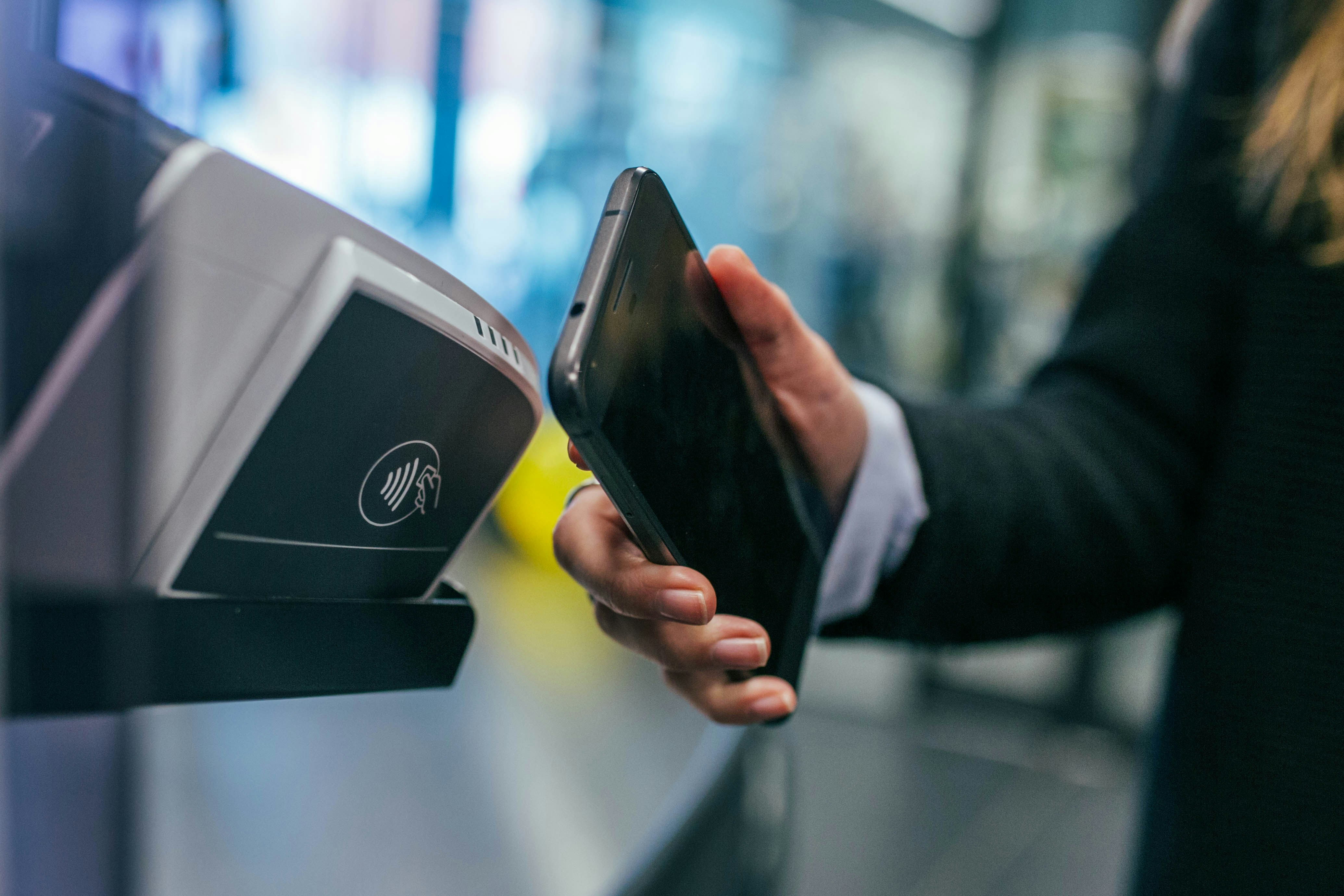
- mobile wallet, such as Apple Pay.
- installments, such as Buy-Now-Pay-Later.
- convenient solutions like split payments or group payments.
- crypto payments.
Each payment method requires a specific business cases and careful implementation, which require close monitoring.
Payments with AI
Artificial intelligence (AI) now underpins many aspects of airline payments and settlements, with each new breakthrough creating opportunities for enhanced financial processes.
Fraud detection and prevention has been an early and effective use case for AI in airline payments. Unlike traditional rule-based systems that search for pre-determined signals, AI algorithms learn from historical data and can predict with high accuracy which transaction are likely to be fraudulent.
In payment orchestration, AI can steer real-time decisions to reduce costs and to improve authorisation rates. Further in offer creation, AI can dynamically bundle the most relevant payment options with each offer to maximize conversion.
Looking ahead, the rise of agentic AI – virtual assistants capable of planning and booking trips on behalf of travellers – means that payment controls will increasingly be performed by machines rather than humans. This agentic shift – to AI agents, not travel agents – will generate new fraud scenarios (how to authenticate the agent of a traveller?) requiring new AI-powered fraud detection mechanisms.
Conclusion
In this article I argue that in 2025 airline payments have become a strategic issue discussed at the highest levels of airline leadership, alongside themes such as airline retailing and artificial intelligence. Like any other strategic topic, payments should be assessed through their impact on revenue, cost and customer satisfaction. This strategic positioning calls for a new roadmap aligned with broader industry trends, recognising that payments are no longer just a cost of doing business tied to credit card acceptance and acquirer management.
Join us at World Aviation Festival 2025, where Eric will be chairing our AI Spotlight Sessions.
For more from Eric Léopold see: