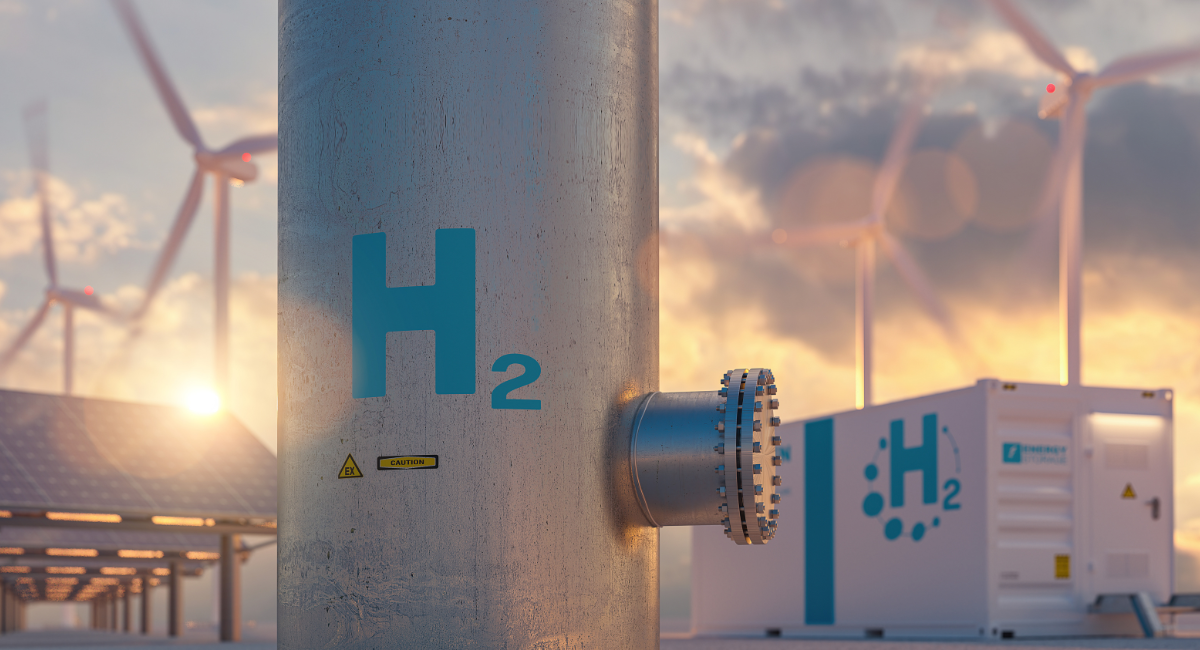
Earlier this month, hydrogen-electric engine developer ZeroAvia and Verne announced the signing of an MoU. Working to realise the potential of hydrogen within the industry, the pair will assess the benefits of scaling cryo-compressed hydrogen (CcH2) storage and refuelling infrastructure at airports worldwide.
Verne is a hydrogen storage and refuelling technology start-up looking at using CcH2 for heavy-duty sectors. The company’s analysis shows CcH2 can achieve 40 per cent greater usable hydrogen density than liquid hydrogen and 200 percent greater usable hydrogen density than 350 bar gaseous hydrogen. It also indicates that the correct application of CcH2 can reduce refuelling time as well as the cost of densification.
The MoU will see the two company working together to jointly evaluate the opportunities for using CcH2 on-board aircraft and for conducting CcH2 refuelling from gaseous hydrogen (GH2) and liquid hydrogen (LH2) sources.
Hydrogen is often labelled the “fuel of the future,” and is set to play a fundamental role in the decarbonisation of the aviation industry. Airbus recently estimated that renewable hydrogen has the potential to reduce the industry’s CO2 emissions by up to 50 per cent.
ZeroAvia’s mission is to “see a hydrogen-electric engine in every aircraft,” and despite only being founded in 2017, the company has already made history with its zero-emission flight. However, there are many challenges when it comes to the integration of hydrogen into the current infrastructure, and cross-company collaboration will play an important role in resolving these.
For more like this see: