Last week, the U.S. Department of Transportation (DOT) opened an inquiry into airline rewards programmes at the four largest US carriers: American Airlines, Delta Air Lines, Southwest Airlines, and United Airlines. These airlines carry between them 73 per cent of US airline seats, an estimated 78 million.
The inquiry is based around understanding how consumers are impacted by the devaluation of earned rewards, hidden or dynamic pricing, extra fees, and reduced competition and choice.
Explaining the significance of the inquiry, U.S. Transportation Secretary Pete Buttigieg sad:
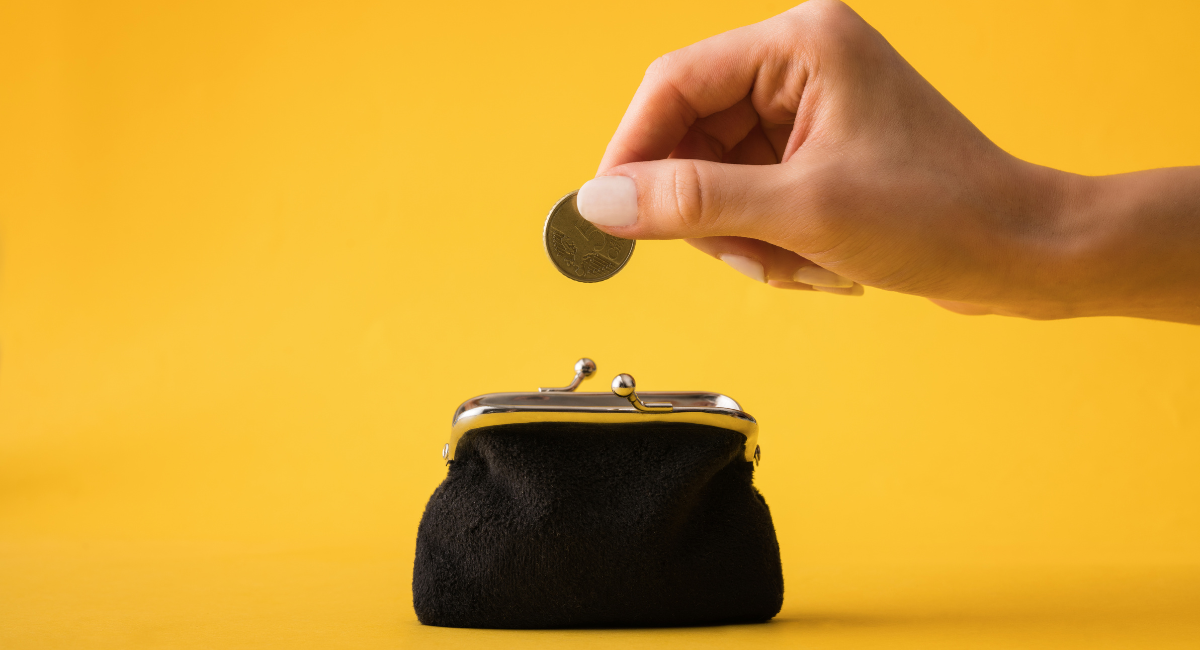
“Points systems like frequent flyer miles and credit card rewards have become such a meaningful part of our economy that many Americans view their rewards points balances as part of their savings. These programs bring real value to consumers, with families often counting on airline rewards to fund a vacation or to pay for a trip to visit loved ones.
But unlike a traditional savings account, these rewards are controlled by a company that can unilaterally change their value. Our goal is to ensure consumers are getting the value that was promised to them, which means validating that these programs are transparent and fair.”
As part of the inquiry, the four major airlines must provide records and share reports with in-depth information about their rewards programmes, practices, and policies.
The review comes after the industry’s sharp increase in air travel rewards programmes. It also comes as part of the Biden-Harris Administration’s wider focus on improving airline passenger rights looking at “costly surprise airline junk fees” and “automatic cash refunds” amongst others.
Access a model version of Buttigieg’s letter here
.
For more on loyalty see:
- Deploying next-generation airline loyalty programs
- Unlocking the future: How loyalty programs are revolutionising travel
- Using tech to transform loyalty and rewards