Travel has changed dramatically over the years, and with it so has the loyalty program landscape. Gone are the days of simple, straightforward loyalty programs that reward customers with points for every flight taken or dollar spent. Today’s consumers are more sophisticated and their expectations with loyalty programs have evolved. They’re no longer satisfied with generic rewards that they have to wait months or even years for. Gen Z are actively seeking out personalized experiences that cater to their unique needs and preferences, and 75% of them are more likely to make a purchase if they can customize the product.
The problem with traditional loyalty programs
Traditional loyalty programs still have their place in today’s travel market but they must evolve to cater to the demands of today’s hyper-digital and hyper-connected consumer. Traditional loyalty programs reward consumers for their dollars spent and the flights taken, but the reward levels are often difficult to attain or rewards themselves difficult to redeem. Modern travelers crave experiences that adapt and cater to their travel needs, and are losing interest in cumbersome loyalty programs that haven’t evolved in decades. The traditional way of rewarding loyalty is no longer effective in retaining customers, especially younger generations, and consumers often switch to alternate programs within months. Airlines can help prevent this leakage by creating programs tailored to individual needs and preferences. In today’s digital age, consumers crave personalized experiences that make them feel valued and understood.
The rise of personalization
Personalization is the key to winning over and retaining the next generation of travelers, especially Gen Z. By offering customized experiences, airlines can increase customer loyalty and retention rates. According to Smart Insights, 62% of customers will stop using a product or service if there is no personalization. This is a wake-up call for airlines and online travel agencies (OTAs) to rethink their loyalty programs and focus on providing tailored experiences.
What does personalization look like in the travel industry?
Airlines can use data and analytics to create customized experiences that cater to individual needs and preferences. Personalization in the travel industry can take many forms but typically focuses on three main areas: tailored product offerings, real-time tracking and compensation, and targeted marketing.
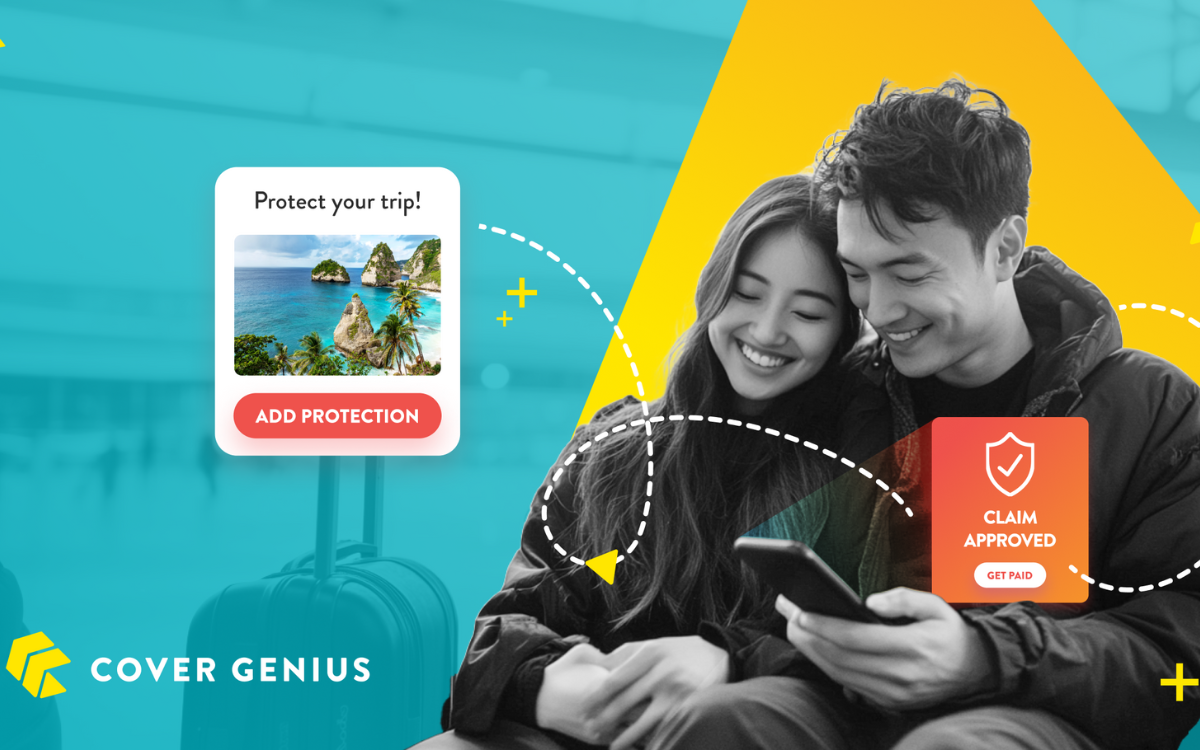
Airlines can offer customized products and services, such as eSIMs, travel protection, priority boarding, and meals, to enhance the end-to-end travel journey. E-SIMs could be offered through loyalty programs, just as priority boarding and potential upgrades. Comprehensive travel protection as part of a loyalty program could also provide real-time tracking and compensation. Airlines can track issues such as flight delays or cancellations in real-time and automatically send out compensation to customers when things go wrong. Travellers no longer need to wait in line or on hold for hours to seek out a third-party for protection and compensation could be offered based on their loyalty levels, such as a free coffee or access to the lounge during delays. When things go wrong, as they often do, outside of the airline’s control, such as bad weather, strikes, air traffic control issues or passenger traffic increases, a loyalty program that helps them alleviate some of that distress can go a long way in retaining customers.
Targeted marketing is also fundamental in any business to cater to consumers with a discerning digital mindset. While complying with current regulations, airlines can use data and analytics to send tailored marketing campaigns to customers based on their preferences and travel history. For example, knowing a customer is delayed on their flight and offering loyalty holders a discount, free wifi, priority boarding or a complimentary beverage on their upcoming flight could help encourage repeat business.
Digitalization is key for loyalty programs and needs to be personalized. Airlines who have taken bold steps towards personalization saw a significant increase in revenue and return passengers. For example, one of our major airline partners offered a suite of product offerings (such as travel protection, airport parking, onboard wifi and bag pickup at home), delivered through personalized experiences, and increased their revenue by 8X, whilst improving customer satisfaction and loyalty. This is a testament to the power of personalization in the industry. Personalization allows customers to feel understood and valued, resulting in a deeper level of loyalty.
Loyalty programs should no longer simply be about points accrued and subsequent rewards that offer no real-time value – only around 5% of flyers are able to make any significant use of loyalty points. They should be about providing immediately accessible, targeted, and personalized experiences that make customers feel important. Airlines and OTAs must adapt to the changing landscape and focus on delivering customized experiences that meet the needs of the next generation of travelers.
The traditional loyalty program model is no longer effective in retaining customers. By shifting their focus towards personalized, tailored experiences to win over the next generation of travelers, they can increase customer loyalty and retention rates. The future of loyalty programs is about providing customized experiences that make customers feel valued and understood.
For more from Cover Genius also see:
- Peter Smith VP, Strategic Partnerships, Travel at Cover Genius – Customer trust, personalisation, and future trends
- The future of travel: How Gen Z’s expectations are redefining the industry
Article by Peter Smith, SVP, Strategic Partnerships – Travel, Ticketing & Mobility at Cover Genius