In the social media age, personalities are more important than ever in driving business forward. No longer are CEOs distant managers holed up with the governance board: now customers expect candour and humour delivered directly to their feeds through podcasts or video clips. For better or worse, executives can become extensions of their brand.
While aviation is often accused of being behind the times, several leaders stand out for their leadership qualities. These executives use their platform to build a buzz around their business while establishing themselves as trusted industry voices in the media. Here’s are roundup of the five most influential.
Michael O’Leary, CEO of Ryanair Group
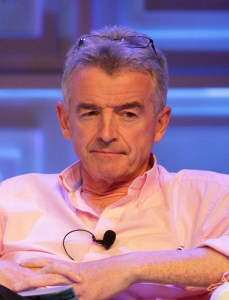
It’s impossible to talk about influential industry voices without naming Michael O’Leary. His direct, no-frills leadership style has defined Ryanair to the point that it’s difficult to imagine the airline without him. Whether it’s his opinions on sustainability or getting into a spat with Elon Musk over Starlink, O’Leary knows how to get noticed.
He’s also a master of turning potentially controversial moments into business opportunities: following his dispute with Musk, he hosted a press conference to explain his side of the argument while announcing a special ‘Big Idiot’ sale to drive additional bookings. Alongside his Marmite leadership style, O’Leary’s commitment to the low-cost model and battles with airports over taxes cement his place at the forefront of the aviation conversation. Even 30 years after he took the helm, O’Leary still has the power to surprise.
Scott Kirby, CEO of United Airlines
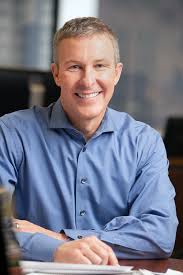
O’Leary’s example could be setting trends across the pond: Scott Kirby, CEO of United, makes the news increasingly frequently these days. Indeed, he has praised Ryanair as the world’s only successful low-cost carrier. But how much of this is just provocative talk to boost the United brand?
Most recently, his suggestion that United could merge with rivals American Airlines lit up the market, even though there was little firm evidence such a proposal would ever come to fruition. Kirby has perhaps realised that one way to do business with the Trump administration is to match its outspoken style. And as American Airlines targets a more premium market, Kirby seems committed to maintaining United’s dominance by new means. Appearances on the Fortune podcast and regular video posts on his personal LinkedIn have helped establish him as a distinctive figure in the industry.
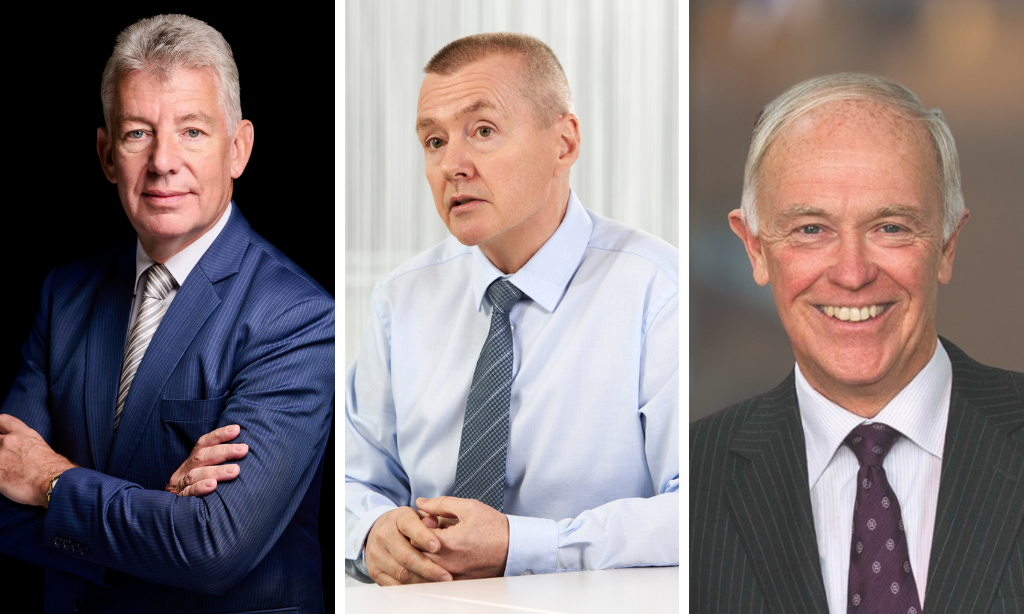
Sir Tim Clark, President of Emirates
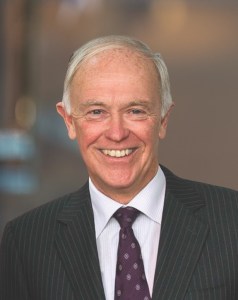
Sir Tim has been part of the Emirates leadership since its foundation in 1985 and has played an integral role in defining the airline’s identity. Internationally renowned for its luxurious features and superior service, Clark continues to keep the airline at the forefront of the customer experience, most recently through the introduction of an market-leading premium economy.
Emirates’ role in redefining Dubai cannot be overstated: the airline has been critical in supporting the city’s evolution from desert outpost to global metropolis. Sir Tim’s leadership continues to serve as a model for implementing excellent customer service, as well as for airlines in developing countries hoping to achieve similar supersonic growth. His business model redefined the Middle East’s aviation sector and raised the bar for competitor airlines including Etihad, Qatar Airways, and new carrier Riyadh Air.
Willie Walsh, Director General IATA and incoming CEO of IndiGo

Walsh has been instrumental in modernising the European aviation playbook, overseeing a merger with Iberia as CEO of British Airways that formed the influential International Airlines Group (IAG). After nine years as the Group’s CEO, he went on to lead the world’s foremost representative body in aviation, the International Air Transport Association (IATA). As Director General, Walsh has become the face of the aviation industry itself, attending hundreds of conferences and overseeing new programmes focussed on sustainability, biometrics, and safety.
He’ll be back in the executive seat later this year as he takes leadership of IndiGo. Walsh has never been one to shy away from controversial decisions, so it will be interesting to see how he chooses to direct one of the world’s fastest-growing airlines.
Paul Griffiths, CEO of Dubai Airports
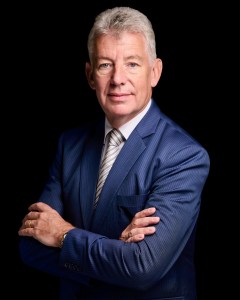
Bringing his extensive experience at Virgin Atlantic and London Gatwick Airport, Griffiths arrived in Dubai as the emirate’s tourism and financial services industries were exploding. Under his tenure, Dubai International (DXB) has set new standards for airport services and provides essential connections across Eurasia. DXB is now the world’s busiest airport by seat capacity, so busy that Griffiths is also overseeing the expansion of Al Maktoum International, which will soon subsume it sister airport as the renamed megahub Dubai World Central (DWC).
Griffiths has effectively used technology to match flagship carrier Emirates’ reputation for luxury while expediting passenger flows through the congested DXB. The ‘document-free’ biometric corridor, a global first, is among the initiatives Griffiths has deployed to create a more seamless customer experience. Keen to remove points of friction wherever possible, he is vocal that passengers should be treated as ‘guests’, and that airports should emulate the hospitality industry rather than serving only infrastructural functions. Griffiths has even gone so far as to suggest that all luggage should be produced with a barcode so airports can do away with bag drops. This is one idea of his that hasn’t been snapped up, but everything else Griffiths does tends to be copied — the mark of a real influencer.
The leaders of the future
The one constant in business is change — so the saying goes. While these five men have been top of the field for some years now, destabilisation is increasingly the norm in airline and airport operations, and there’s always opportunities for different faces to rise up. In the future, it would be fantastic to see more female leaders, as well as figures from the dynamic APAC market, join the cohort and make their mark on the history of aviation.
Join us at World Aviation Festival 2026.
To hear exclusive insight from these executives at our previous events, see: