The Federal Aviation Administration (FAA) is proposing new rules for supersonic flight in the US.
Department of Transportation (DOT) Secretary Sean Duffy teased new legislation in a post on X, declaring:
The airspace is about to get faster… Welcome to the Golden Age of Travel [sic]
The rules would introduce new standards for developers, setting minimum requirements for noise levels during take-off and landing. DOT said the legislation would be finalised by mid-2027.
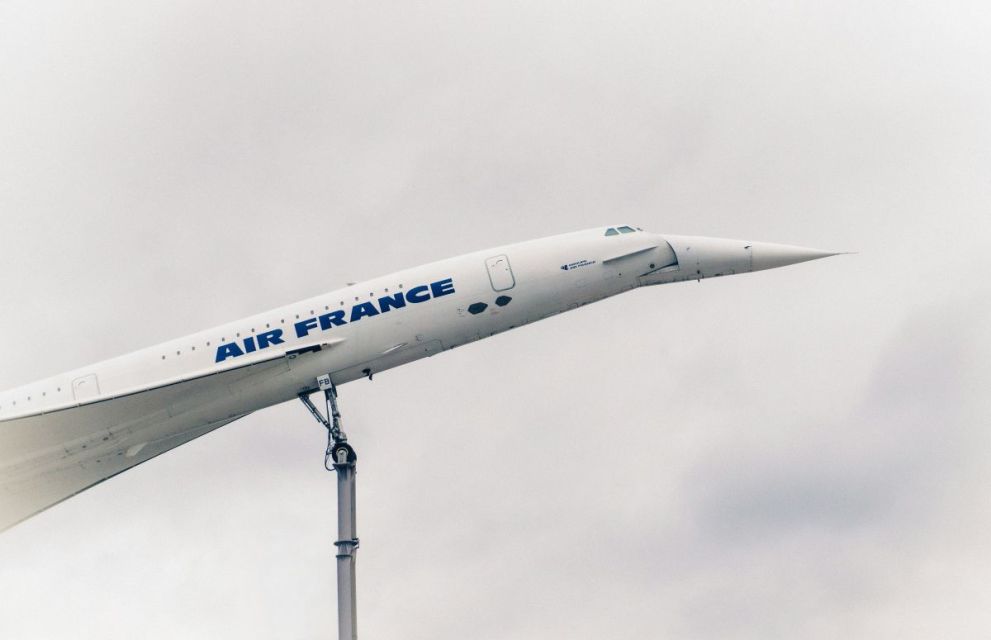
Advances in aerospace engineering have led the US’s efforts to repeal overland bans on supersonic travel. The most famous supersonic jet, Concorde, was only able to operate between the East Coast and Europe due to the ban, introduced in the 1970s. At the time, sonic booms could cause significant disruption through noise and damage to property.
‘Mach cutoff’ is one way that could make supersonic travel viable once more, refracting sonic booms into the atmosphere rather than back down to Earth.
FAA Administrator Bryan Bedford said:
[These advances mean] we can ultimately repeal the ban from the 1970s on supersonic flight over US territory while minimising noise impacts to residents in communities along the route and near airports.
President Trump’s administration revoked the original ban in June last year, saying the decision would make the US aerospace industry more competitive. Long-haul flight times could also be slashed should their supersonic plans continue as planned.
However, industry analysts have questioned the viability of a Concorde-style revival. An engineering marvel, the supersonic planes were nevertheless extremely expensive to run, and in today’s world pose questions over sustainability and fuel burn.
Join us at Aviation Festival Americas 2027.
For more like this, see: