By Warren Hayashi, President of Asia-Pacific, Adyen
Airlines operate in one of the most competitive margin environments in the world. With rising fuel prices, fluctuating consumer demand, and pressure from intermediaries, protecting profitability has never been more critical.
Yet one of the biggest drains on margins is often overlooked: payments. An IATA study estimated that payments cost airlines more than US$22 billion annually, or approximately 2.2% of their revenues. When every percentage point matters, this hidden expense threatens long-term sustainability.
Thankfully, there are initiatives airlines can take to reduce the costs associated with payment processing. Many of these also provide a better passenger experience and boost revenue growth, so airlines can move the needle from payments being a cost centre to a revenue driver.
Adopt local acquiring to lower transaction costs
Many airline bookings are cross-border transactions, which typically carry higher interchange fees due to increased complexities like currency conversion, compliance, and risk.
By routing as many transactions as possible through local acquiring, airlines are able to effectively reduce transaction costs. Our research shows that local acquiring helps businesses save an average of 59%.
In addition, local acquiring boosts:
- Transaction approval rates by reducing risk
- Passenger experience by processing payments in their local currency
- Airline cash flow with faster settlements
For example, when Cathay Pacific started using Adyen’s local acquiring solution, the airline saw an uplift of authorization rates. This improvement was especially marked in India, where the Hong Kong flagship carrier gained a 10% increase in successful transactions.
Support local payment methods to optimize conversion rates
While there’s no doubt that credit cards are the de facto payment method of many consumers, local payment methods (LPMs) like WeChat Pay in China, Pix in Brazil, and Cartes Bancaires in France, are gaining popularity.
With LPMs, businesses save an average of 49% in fees per transaction as compared to credit and debit cards. Additionally, they are good for conversion – according to our report, 78% of consumers are deterred from making a purchase if their preferred method is not available, and 41% will abandon their purchase altogether.
In an industry with razor-thin margins, LPMs provide two levers for growth-reducing transaction costs and converting a greater share of potential passengers.
One example is Vietnam Airlines. The airline serves a diverse base of domestic and regional travelers, each with distinct payment preferences. Through partnering with Adyen, Vietnam Airlines is able to offer relevant LPMs like Alipay and WeChat Pay for Chinese passengers, Konbini and KCP for Japanese and Korean markets, and Momo, Vietnam’s leading digital wallet.
Grow ancillary revenue with frictionless payments
Research has projected that airlines worldwide will generate a record US$157 billion in ancillary revenue in 2025, up from US$148.4 billion in 2024, and dramatically higher than US$67.4 billion for 2016. It’s important to make it easy for passengers to purchase throughout the touchpoints on the customer journey, but how?
In practice, this means being able to offer uninterrupted and secure payment experiences even at altitude, where connectivity is limited.
Hoping to create seamless experiences even when in the skies, Immfly, a global leader in digital onboard solutions, works with Adyen to handle in-flight payments. Features like Store & Forward and Auto Rescue allow offline payment processing and automatic resending for up to 30 days respectively – ensuring that airlines maximize ancillary revenue, while minimizing the risk of issuer declines.
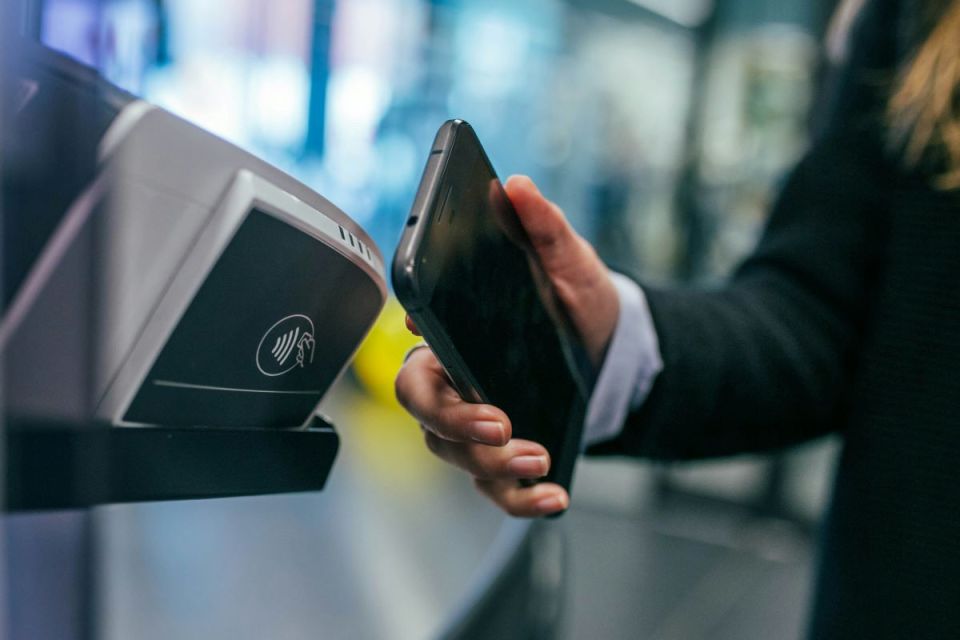
Immfly also leveraged Tap to Pay solutions for payments, meaning each transaction now takes up to 5 seconds less, which on full flights means less waiting in the aisle and more time for cabin crew to assist passengers.
Turning payments into an engine to drive revenue
Airlines don’t have to accept high payment costs as a fixed part of doing business. By offering local acquiring, supporting local payment methods and enabling frictionless payments for ancillary services, carriers can transform payments from a cost centre into a source of growth and passenger loyalty.
This article was provided by Warren Hayashi, President of Asia-Pacific, Adyen.

For more like this, see: