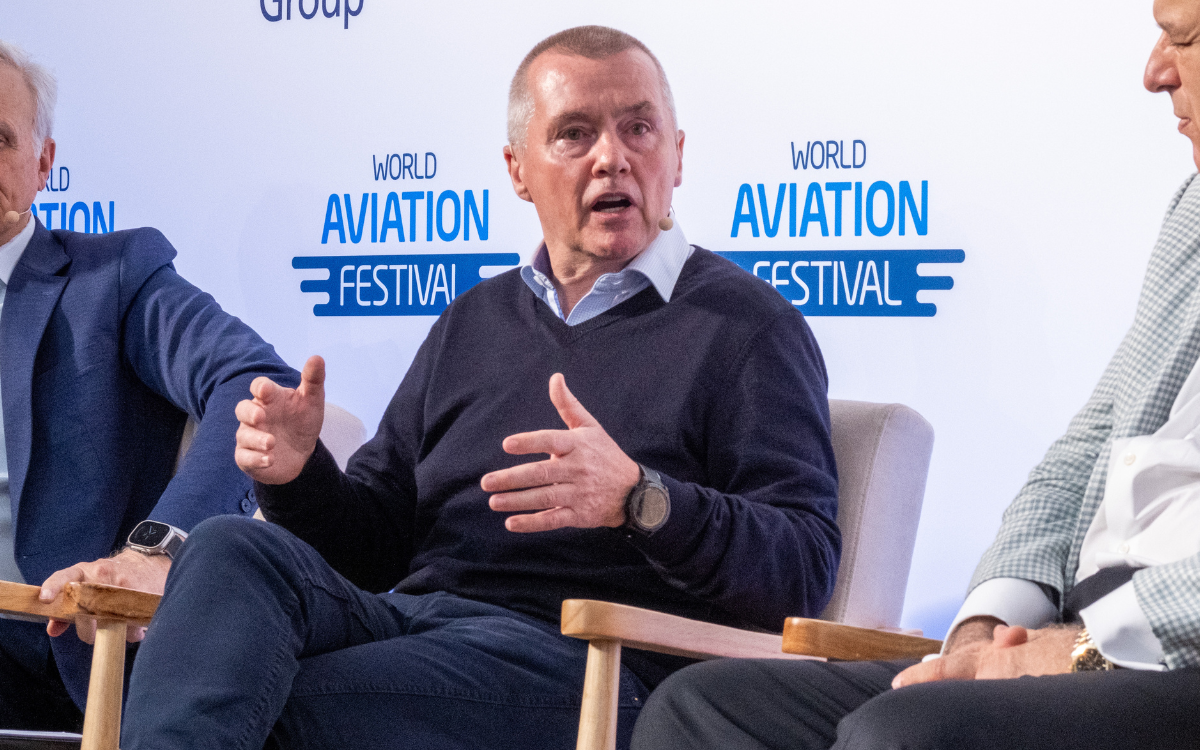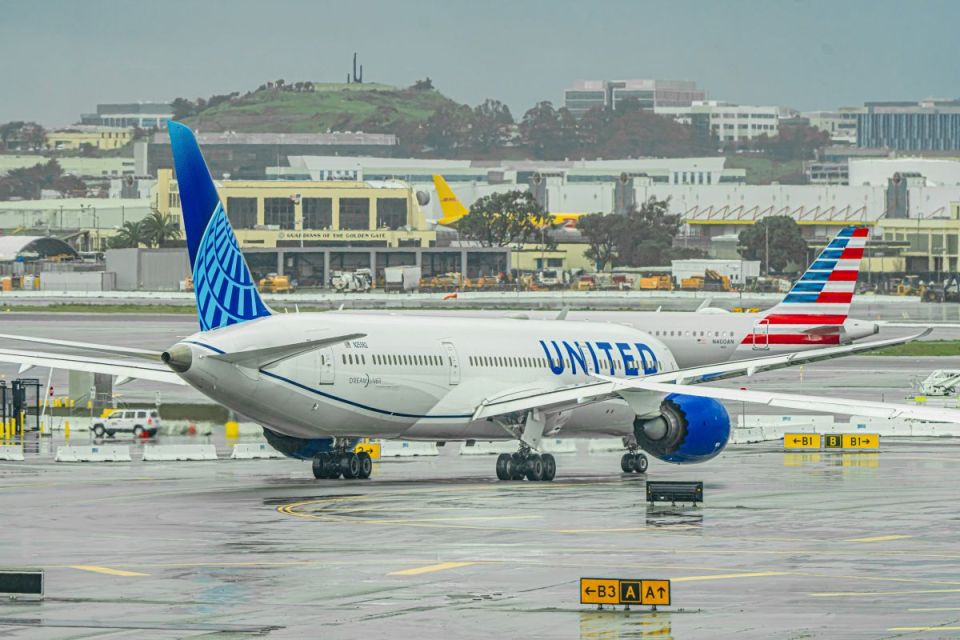
Reports from Reuters and Bloomberg claim United Airlines CEO Scott Kirby has floated the idea of a merger with American Airlines. In a private audience with President Donald Trump in February, Kirby allegedly argued that merging will consolidate the power of American aviation against rising fuel costs and competition from other global carriers.
Trump is known to look favourably upon big deals. But bringing United and American together would place 30% of US domestic traffic under the control of one airline. Would a deal of this kind be worthwhile, or even possible?
Why would Kirby suggest a merger?
American aviation growth, especially domestic traffic, has stalled in recent years due to economic uncertainty and changing customer behaviour. The low-cost landscape has struggled: Spirit Airlines entered bankruptcy for a second time in 2025, while in January Sun Country and Allegiant Airlines announced they were merging operations. Earlier periods of uncertainty have also seen mergers such as United/Continental or American Airlines/US Airways.
But a deal between two carriers of United and American’s scale is unprecedented. Together, they would become the largest airline in the world. Commentators have suggested combining operations would help reduced the US’s trade surplus while creating a mega-airline more resilient to rising fuel costs. The current oil crisis invoked by the US-Israel attack on Iran has only highlighted aviation’s vulnerability to global supply chains and cost pressures. Others have also suggested that Kirby made the suggestion as a joke to rub salt in old wounds: a former president at American, Kirby left to join United, which is currently far outperforming its competitor.
Is such a deal even possible?
Although Trump’s administration might be fond of big business, it’s difficult to see how a United/American merger would get off the ground. Regulators could easily make an argument that the deal creates an unfair monopoly for customers, reducing the Big Four American airlines to a Big Three. Historically, mergers have increased ticket prices between 5 and 10%, a move even less appealing in the current economic climate where customers are grappling with inflation. No doubt the merger would also see routes from small- to medium-sized airports lose out in favour of big hubs.
But it’s unlikely that such a proposal would make it past United investors, let alone the regulators. American currently operates at a net profit of 0.20%, far behind United’s 6% figure. The smaller company also has a higher debt profile, standing at over US$30 billion compared to United’s US$18 billion. American would stand to gain from a merger, but to United’s detriment.
So is it all hot air?
Kirby’s suggestions have made headlines, and the market responded by increasing the value of United shares by 1% and American’s by 5%. This happened despite there being no evidence that the proposal was seriously being considered by either airline, and the numerous obstacles that make such a merger unrealistic. Simple Flying note the parallels with the communication style of Trump himself: making grand suggestions with no obvious plan for follow-through to build excitement.
In all likelihood, an American/United merger is a flight of fancy that will never be realised. But for the aviation world, infamously slow to adapt with the times, this new style of communicating will continue to spark conversation across the market.
Join us at Aviation Festival Americas 2026.
For more like this, see: