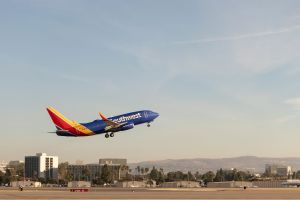
Towards the end of August, Seattle-Tacoma International Airport (SEA) was the target of a cyberattack that caused a third of the airport’s scheduled departures to be delayed over the weekend, outages of flight reader boards, baggage systems complications, and more.
On Wednesday, AP News reported that hackers had demanded $6 million in bitcoin for the documents stolen during the cyberattack. Lance Lyttle, the airport’s Aviation MD, said the hackers posted a copy of eight stolen files online and were asking for 100 bitcoin to buy the data (approx $63,000).
With the industry becoming increasingly reliant on digital technology and automated systems, the rise in digital attacks presents a significant challenge.
According to Bridewell’s latest research, 55 per cent of civil aviation cyber decision makers in the United States (US) have reported experiencing a ransomware attack in the past 12 months. Additionally, in April 2023, Boeing reported occurrences of randsomware in the aviation supply chain rose 600 per cent in one year.
The industry’s digitalisation efforts must work in tandem with robust cybersecurity measures to ensure safety and security across stakeholders.
At the World Aviation Festival’s cybersecurity summit, industry experts from Ryanair, easyJet, Rwandair, EUROCAE, SkyTeam, EUROCONTROL, and more are coming together to discuss the major cybersecurity challenges the industry is facing, and share innovative approaches to tackling them – Book your ticket now to get involved in the conversation!
For more like this see:
- A wakeup call for cybersecurity: Air Europa suffers cyberattack
- Worldwide IT outage impacts airlines and airports
- SITA finds aviation CIOs are “ramping up digital technology investments”