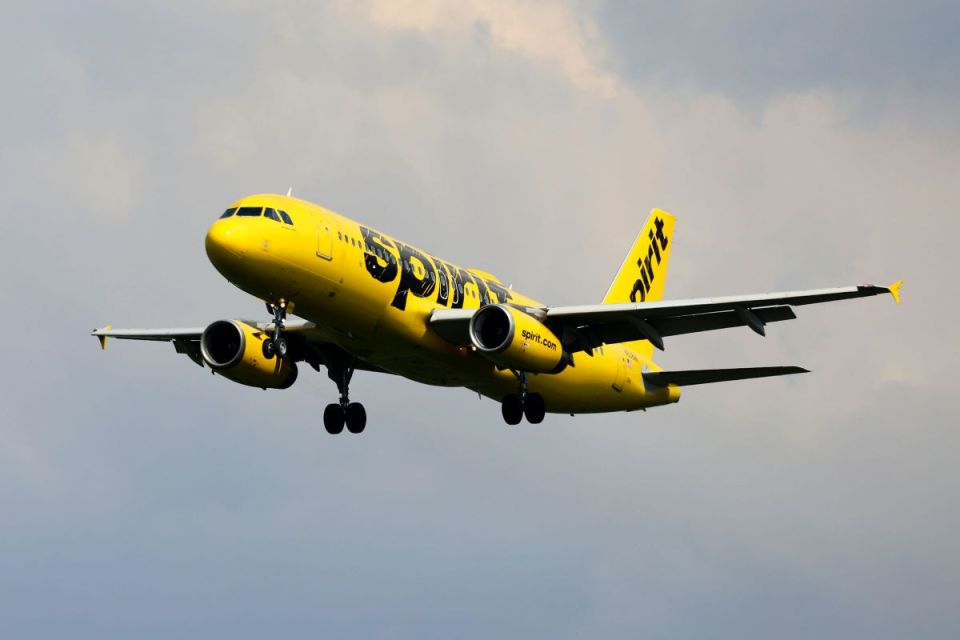
Low-cost carrier (LCC) Spirit Airlines announced they were ceasing all operations effective immediately on 2 May. Following years of financial difficulties, the rising price of jet fuel completely destabilised the airline’s restructuring plans, and the failure of a proposed US$500 million lifeline from the US government was the final nail in the coffin.
Spirit’s bright yellow livery and no-frills customer service made it at icon of early-21st century aviation. But what does its collapse mean for the rest of the industry?
American Airlines, Delta, and United have all advertised flights at reduced prices to get Spirit customers home. JetBlue and Breeze Airways also announced new routes and destinations on Monday in a bid to seize some of Spirit’s 3% market share. The abrupt nature of the closure means many travellers have been stranded, and those who booked with points or a voucher are uncertain how they will get their money back. For the rival carriers, this is an opportunity to win new business by providing a lifeline during unexpected disruption. Additionally, American, Delta, and United have launched dedicated portals for Spirit staff to attract those seeking new jobs.
By reconfiguring their pricing models, legacy airlines have been making gains in the LCC market for some time now. Spirit’s imminent liquidation will have other US carriers looking nervously over their shoulders. Alongside Spirit CEO Dave Davis, the leaders of Allegiant, Frontier, Sun Country, and Avelo all petitioned Transportation Secretary Sean Duffy for tax relief at the end of April, arguing that the high price of jet fuel will make the model untenable in the short term. No relief has been offered as yet, but while the government bailout of Spirit failed, if costs remain as high as they are they might be forced to support other LCCs or see further collapse in the market.
Prices across the Americas will continue to rise in the wake of Spirit’s exit and ongoing uncertainty over jet fuel availability. Spirit’s cheap-and-cheerful proposition helped make flying accessible to all, and the demise of this former pioneer represents a sad moment for customers and employees alike.
The merger between Allegiant and Sun Country has been approved by US regulators and is set to close in mid-May. Shareholders on both sides believe combining their business will create a more agile and resilient LCC which can better withstand the rising pressures in the industry. As Spirit’s collapse shows, those pressures can combine to dismantle a well-known business at startling speed.
Join us at Aviation Festival Americas 2026 to discuss the evolution of the low-cost model in the Americas.
For more like this, see: