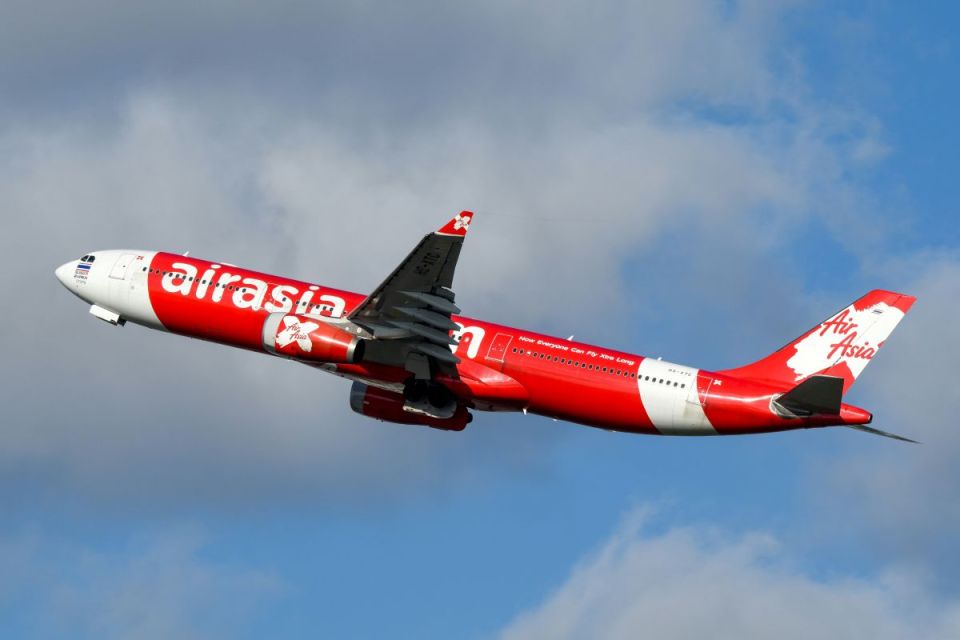
AirAsia are seeking up to US$1 billion in financing to cover a difficult Q2. Operating losses exceeded US$200 million from April to June 2026 as high fuel costs placed intense pressure on the low-cost carrier’s long-haul expansion.
Describing Q2 as a ‘floor quarter’, AsirAsia cut capacity by 11% in that period and will jettison 25 older aircraft before the end of the year to improve efficiency. Fuel costs increased by 58% as AirAsia did not take part in fuel hedging.
AirAsia Group CEO Bo Lingham noted that short-haul routes across Malaysia and Cambodia remained profitable. With the autumn typically the region’s quietest air travel period, he said that capacity in Q3 could be slashed by as much as a quarter before rebuilding in the busy winter months.
In a statement, Lingham concluded:
Uncertainties persist, yet our low-cost DNA, agile network model, and dominant position on core trunk routes give us full confidence in our ability to stabilise performance, protect shareholder value and capitalise on the industry’s eventual recovery.
The Group also announced they were delaying the vaunted launch of a long-haul hub in Bahrain that would connect Asia and Europe.
Elsewhere in low-cost travel, the UAE’s AirArabia has managed to stay profitable despite the ongoing impact of regional conflict and airspace closures. However, profits were down 51% compared to the same period in 2025.
The airline’s chairman, Air Arabia Abdullah Bin Mohammad Al Thani, said
Air Arabia remains profitable during the first half of the year, amid the geopolitical conflict that disrupted the aviation industry throughout the period. This reflects the resilience of our business model, the strength of our financial position and the agility of our management team.
Join us at Aviation Festival Asia 2027 in Bangkok.
For more like this, see: