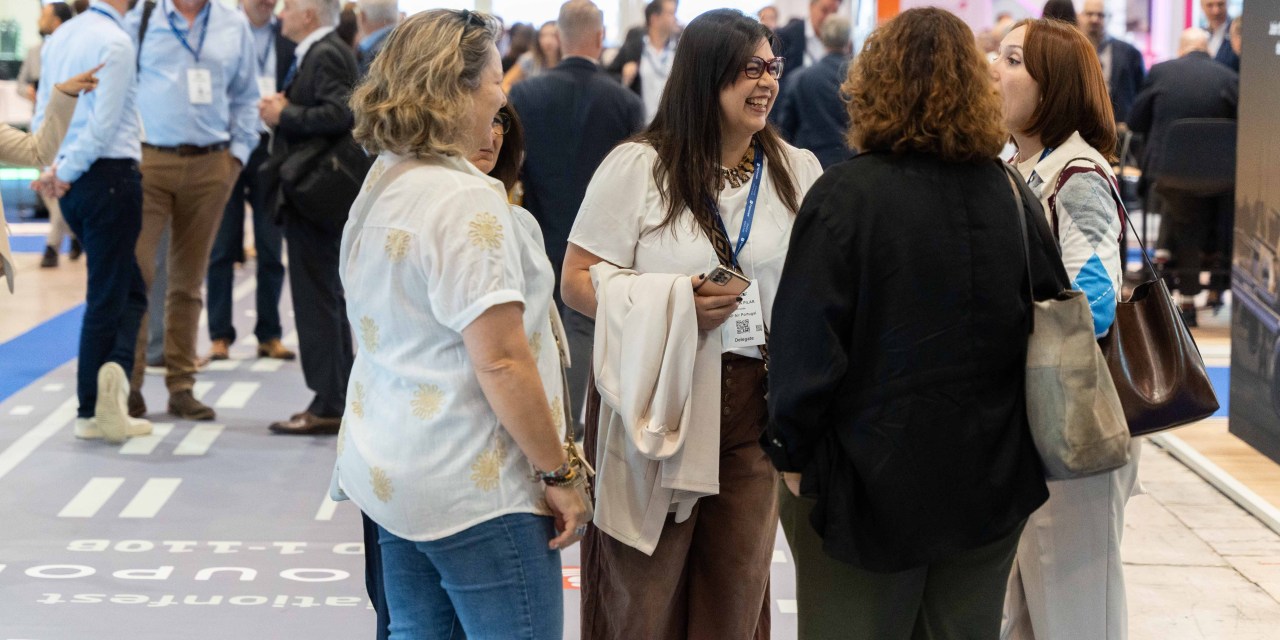
World Aviation Festival 2026 descended on Lisbon last week, and I had the pleasure of being on-the-ground at the keynote stages, as well as speaking to 35 industry leaders in exclusive video interviews. Stay tuned for the complete series of conversations, but in the meantime, here are three key themes that emerged from my time onsite.
Managing geopolitical challenges
Many executives highlighted the impact of spiralling fuel prices, which first threw the industry in disarray back in March. The conflict in the Middle East has continued to escalate since then, with serious impacts on shipping and infrastructure around the Strait of Hormuz as well as the Red Sea. At the time of writing, IATA’s fuel price tracker shows that the price of a barrel of kerosene has risen to twice the rate it was pre-conflict.
TAP Air Portugal CEO Luis Rodrigues and LATAM’s Roberto Alvo both warned about the ongoing impact these costs would have on the industry. Speaking to Peter Campbell from the Financial Times, Rodrigues said he expected prices to affect his business for another three to five years, adding that demand remained strong but high costs would handicap airlines further.
Alvo said he was worried about the potential impact of high energy prices and economic downturn, both also precipitated by the Middle Eastern conflict. If customers are forced to reserve more cash on everyday spending, aviation could feel the bite of reduced demand in the near future.

Despite these worries, most speakers remained positive about aviation’s future and praised the resilience of an industry that has weathered multiple crises, including the Covid-19 pandemic and the 9/11 terror attacks.
During the event, news broke that the Portuguese government had decided to sell a 44.9% stake in TAP Air Portugal to the Lufthansa Group over rival bidders Air France-KLM. Although TAP’s privatisation process began two years ago, moderators and industry experts noted the potential for further consolidation across the airline industry, as carriers seek to be better positioned to withstand economic shocks like ongoing fuel price pressures.
Loyalty is king
In this geopolitically fraught operating environment, cultivating a strong loyalty ecosystem has never been more important. Discussion at World Aviation Festival centred around ensuring customers turn to loyalty programmes for everyday spending. From expanding rewards partners to co-branded credit cards, airlines are getting more creative in their efforts to retain customers.
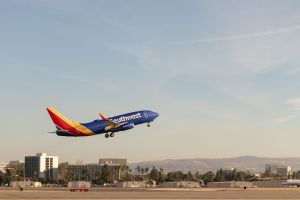
Lounges were also a hot topic of conversation, with new openings and refurbishments across the globe servicing the ever-growing ranks of premium passengers and points earners. But as newcomers like Southwest enter the game, the lounge footprint at airports is limited, presenting a potential ceiling for growth. Discussion also emphasised the need for harmony between these physical experiences and the digital world, especially when managing high-paying customers with big expectations for any airline product.
Pushing new frontiers for AI
If 2024’s World Aviation Festival was about AI experimentation, and 2025 AI real-world applications, in 2026 the main tech theme was value. Now that airlines and airports are a few years into their AI transition, it was interesting to hear where interviewees were actually seeing real ROI from the technology, moving to more strategic implementations rather than scattergun approaches.
Airlines such as Virgin Atlantic highlighted concrete steps they’re taking to adapt to a new era of AI-powered travel planning. Meanwhile, Air Canada won World Aviation Festival’s Battle of the Airline Apps 2026, in part thanks to their seamless and intuitive application of AI for better personalisation. And airports including Hartsfield-Jackson Atlanta, Bangalore, and AENA discussed how innovation is supporting seamless passenger management.
Agentic capabilities was also at the forefront of discussion. New AI agents such as Meta’s Muse not only have the potential to transform how passengers find airlines, but how airlines manage their own organisations. Many spoke optimistically about the potential for this technology when applied, with key guardrails and information security at the heart of any application.
Be sure to subscribe to our newsletter to get these one-to-one conversation with executives on these topics – and many more – direct to your inbox.
Want to be part of the discussion in-person? Register now for World Aviation Festival 2027, where we’ll be back in Lisbon. or attend our regional events: Aviation Festival Asia in Bangkok, and Aviation Festival Americas in Miami.