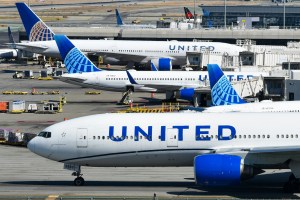
United Airlines have posted their Q3 financial results, reporting the carrier’s best-ever year-on-year revenue growth since the Covid-19 pandemic.
Revenue was up by 17% compared to the same period in 2025, a trend the airline expects will continue into Q4. However, fuel expenses also increased by 62%, forcing the carrier to fork out an additional US$1.8 billion on kerosene.
United CEO Scott Kirby said:
Our employees met the challenge of our ever-changing environment and our results prove the resilience of focusing on building a brand-loyal airline for customers.
The airline’s premium products proved to be a key growth driver, up 17% in the third quarter over 2025, although Basic Economy revenue also increased by 16%. United have been investing heavily in improving its customer experience, launching the luxurious Polaris cabins as well as investing in Starlink-powered high-speed WiFi.
The carrier says Starlink has been a critical differentiator, with United now operating more Starlink-equipped flights than the rest of the US aviation industry combined. Kirby added:
We are winning new long-term, brand-loyal United customers because they are trying us for Starlink but staying with us for the industry-leading app, great service, on-board product and technology. These advantages will persist long after the fast, low-Earth orbit Wi-Fi we are offering today becomes the industry standard. By then, United will be leading on the next innovation as we seek to sustain our lead with customers.
Revenues from loyalty increased by 17% in Q3 2026 over Q3 2025. United has been remodelling its MileagePlus programme to favour co-branded card holders, in a push to connect more with members’ everyday spending.
Amid this positive revenue growth, the US$1.8 billion increase in United’s fuel bill seems less dangerous. Before the current kerosene price crisis, United was already operating on one of the most sizeable margins in the aviation industry. Kirby has been bullish about dealing with the fallout from high prices, claiming the aviation industry can use this moment to keep fares high even after the Middle East conflict reaches a resolution.
Nevertheless, the reported 62% increase in fuel expenses is significant. While United might be able to weather the storm, their earnings report gives an idea of the financial troubles affecting the global aviation industry as they wait for the geopolitical crisis to subside.
Join us at Aviation Festival Americas 2027.
For more like this, see: