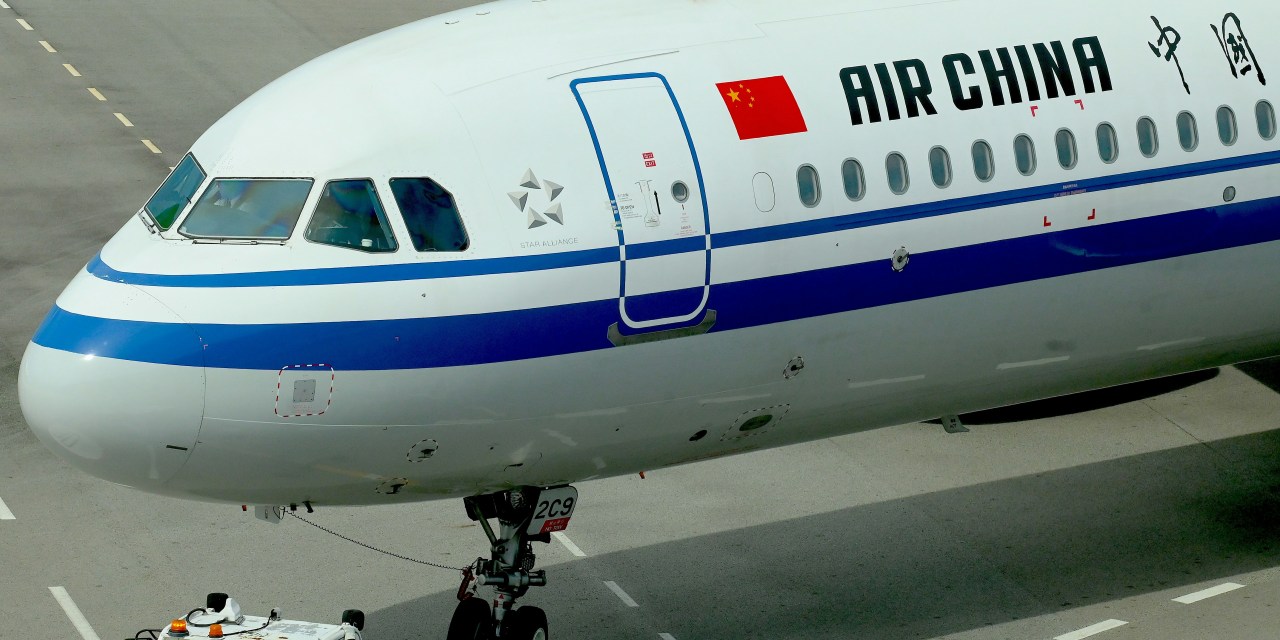
China’s three biggest airlines said they lost around ¥8.2 billion (US$1.2 billion) in the first half of 2026.
Rising fuel prices had a significant impact on Air China, China Eastern Airlines, and China Southern Airlines. The carriers do not hedge much of their fuel, which left them significantly exposed to the price jumps brought on by the outbreak of hostilities in the Middle East in March.
The three airlines reported fuel costs rising between 35 and 38%, resulting in significant losses despite strong demand in the New Year period.
Chinese aviation’s difficult operating environment has been compounded by domestic economic factors. Competition from high-speed rail and evolving tourism preferences have limited the airlines’ ability to price higher. Furthermore, an unusually strong typhoon season has made operations more unpredictable.
Despite these headline losses, the Chinese big three all managed to increase revenues across the period: Air China by 10.5%, China Eastern by 11.1%, and China Southern by 9.7%.
Other airlines in APAC have struggled to manage the impact of rising fuel prices, with many carriers more exposed to these shocks than their European or American counterparts. AirAsia posted losses in excess of US$200 million and said they were cutting back on long haul expansion. Meanwhile, Air New Zealand reported fuel costs rising by US$195 million.
Join us at Aviation Festival Asia 2027.
For more like this, see: