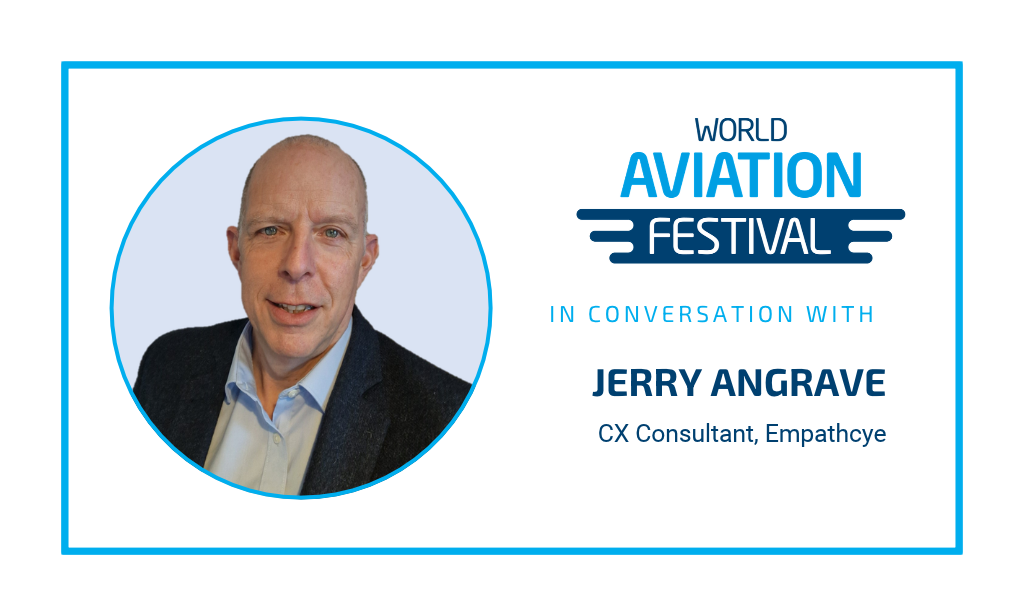
2026 has proved to be a highly challenging year for the aviation industry. Geopolitical conflict has not only driven up fuel prices, but disturbed everyday operations to an extent not seen since the Covid-19 pandemic.
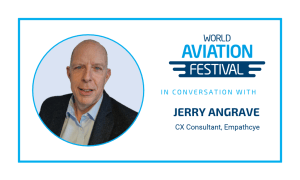
However, customer experience consultant Jerry Angrave says disruption has its role in improving the broader experience, accelerating the pace of development and stress-testing existing systems. Technology has helped facilitate some of these improvements, but Angrave also points out how attitudes have shifted in recent years:
I think the the culture and the approach to disruption has changed. How do we maintain that customer relationship? How do we maintain trust even though the flight is cancelled? How do we find an accessible bathroom for a customer who’s in a wheelchair? Those questions really up the ante and forces airlines to ask, ‘are we really clear about the type of experience we want to give our customers?’
Investing in these relationships and delivering superior CX has to remain a priority for airlines, even as fuel price shocks squeeze their already-narrow margins. While cost control might be at the top of most executives’ agendas, Angrave notes:
Customer experience isn’t a isn’t a CapEx project. It’s a mindset, it’s a culture. And a lot of the things that airlines can do with their partners are relatively low cost.
As the industry talks big about AI and other tech infrastructural projects, Angrave says the biggest wins can often be found in what some deride as the ‘pink and fluffy’ aspects of a complex operational environment. Training staff to greet customers with a warm welcome, even at 2AM after their flight’s been delayed, can go a long way in solidifying an airline’s reputation.
These little details matter when a customer has an expectation of what their travel experience will be like, and can expose a fatal gap between overpromising and underdelivering:
If the customer experience doesn’t align with what they expect, then hundreds of thousands of dollars of advertising spend go out of the window. All those social media content campaigns go out of the window. So it’s really important that the experience aligns to what the brand is promising.
Respecting the basics remains essential as airlines increase their expenditure on premium seating. These more expensive tickets can act as reliable buffer on revenue in these turbulent times. However, Angrave warns that airlines have to consider the entire context these products sit in before ordering a costly retrofit.
Whether it’s onboard the aircraft, whether it’s at the gate, in the terminal, or whether it’s managing a booking online or through the app, a premium experience has to be felt across these touchpoints.
And when it comes to digital touchpoints, Angrave praises the progress airlines have made on CRMs to develop rich data about customers and their preferences. The next step will be to put this into action and inform more personalised, seamless experiences. Aviation’s enthusiasm for AI in this field remains, but the approach has developed into one that’s more moderate and seeks to understand where tech can truly deliver the best value, rather than applying it scattergun to chase a trend. This more cautious but worthwhile approach will no doubt continue to define airlines’ tech spend in coming months as fuel prices remain high, forcing them to think more strategically about investment.
There’s obviously lots of opportunities with with AI, but I’ve seen the approach change over the last few months. Let’s just take a step back for a moment and make sure that we’re using it to solve the right problems and not actually creating more problems as a result.
Jerry Angrave will be moderating panels and conducting interviews on our CX track at World Aviation Festival 2026, speaking to industry leaders from Iberia, Turkish Airlines, United, and many more. It’s not to late to join us: register for a ticket today.
🎥 Watch the video to get the full interview with Jerry Angrave.
Questions asked include:
- It’s been a difficult year for airline operations to say the least. But do you think the disruption has had a positive effect on customer service priorities in any way?
- With margins squeezed, how do you expect airlines will manage tighter budgets with investment in CX?
- When it comes to premiumisation, will the boom continue into next year? How are we seeing airlines balance investment in the physical and digital worlds to create those seamless experiences high-paying passengers expect?
- How have we seen investment in tech evolve since last year’s WAF? Is AI still the dominant buzzword, and has there been any meaningful progress in its implementation?