New research from the International Air Transport Association (IATA) found that payments cost airlines US$24.5 billion in 2025, a 10.4% increase in expenditure from 2023.
Sales grew by 7.7% in the same period to US$1.05 trillion, demonstrating the disproportionate impact of payments on revenue. IATA say every transaction costs US$5 per passenger.
Sandrine Le Borgne, IATA’s Interim Director General and CFO, commented:
The airline industry is hyper competitive, capital intensive and famously low margin. In such an environment every cost item needs to be looked at carefully. The fact that payment transaction costs are increasing faster than industry revenues is unsustainable and, despite significant technological advances, highlights the critical need for greater cost efficiency.
Breaking down the US$24.5 billion figure, IATA’s findings highlight where airlines are leaking money:
- In 2025, US$20.7 billion was spent on payment fees alone.
- US$2.9 billion went to airline operating costs.
- Fraud and uncollected sales cost airlines US$0.9 billion.
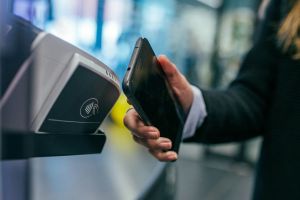
IATA say the industry need to look to new payments solutions, noting that their own surveys have found 29% of passengers prefer to use digital wallets or local payments solutions. Cards currently account for the highest payment fees: a rate of 2.53%, compared to the average of 1.97%. Alternative payment methods could have a significant revenue impact in other areas too, as Le Borgne notes:
About one in five ancillary purchase attempts are not completed because the initial payment attempt was refused and no other method was offered. Enabling more payment options has the potential to help airlines realize some of this lost revenue
IATA’s findings encourage airlines to explore new payments frameworks and solutions to close these billion-dollar gaps.
Join us at Aviation Festival Asia 2027 for our Payments Summit.
For more like this, see: